What Is Peat?
The story of Bonaparte Meadows starts beneath the surface, with the peat itself.
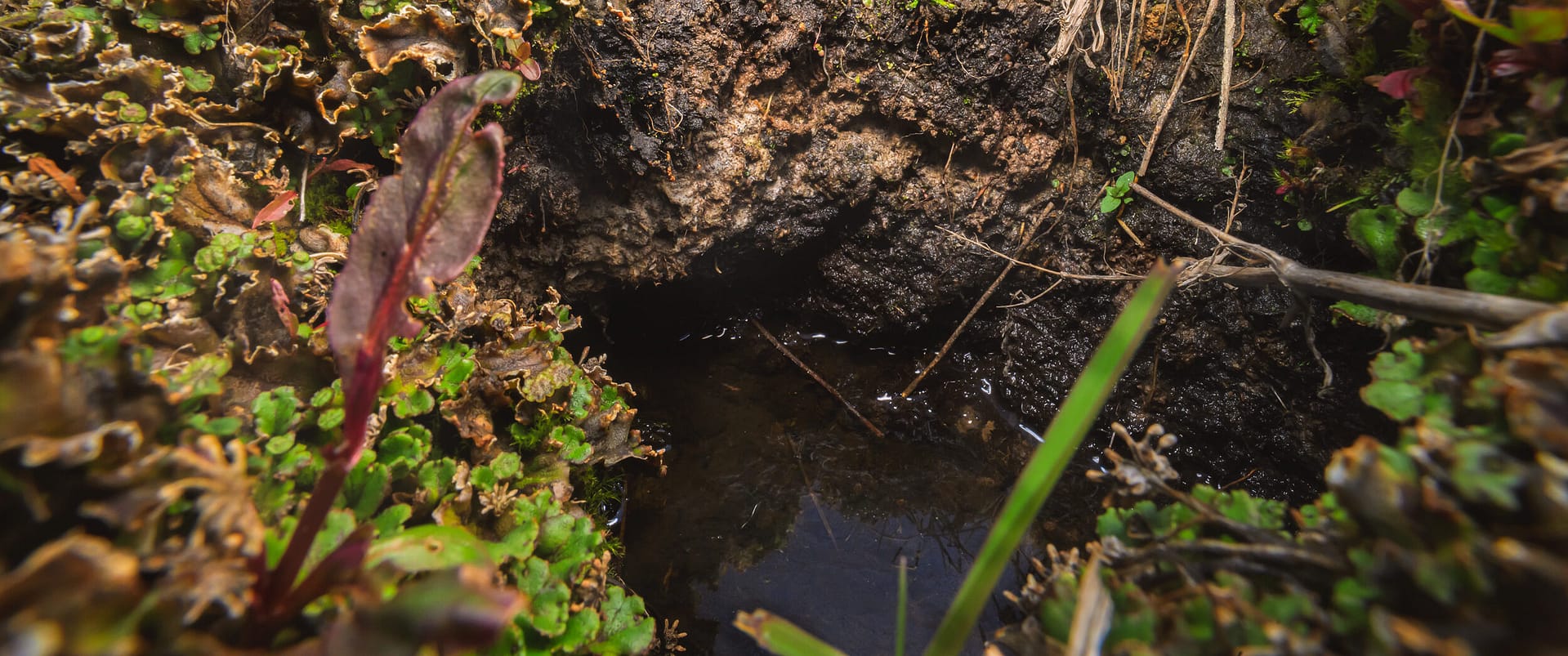
Peat forms when plants die in wetlands and break down slowly under watery, low-oxygen conditions. Over time, that partially decayed plant matter accumulates into rich, dark peat soil.
It builds slowly. Very slowly.
On average, peat accumulates at about one millimeter per year. That means one meter of peat, or roughly three feet, can represent about a thousand years in the life of a wetland.
Why Peat Matters
That slow process does important work for water, wildlife, plants, and the climate.
Peat soils can hold tremendous amounts of water. During wet seasons, they soak up water and keep it on the landscape instead of letting it run off and away. In drier months, that stored water is released gradually, helping even out stream flows through the year.
Peat wetlands can also help absorb sudden pulses of water from snowmelt, heavy rain, or post-wildfire runoff. In this way, peatlands help soften the impacts of both drought and flooding.
Peat and Carbon
Peat formation also stores carbon underground.
As plants grow, they pull carbon dioxide from the air. When those plants die, much of that carbon would normally return to the atmosphere as they decompose. But in a peat-forming wetland, the wet, low-oxygen conditions slow that decomposition.
The carbon remains locked in the peat, where it can stay for centuries or even thousands of years, unless the peat is dried out or disturbed.
Why Peatlands Need Protection
Around the world, peat wetlands have been drained for farmland, altered by development, and mined for commercial garden products.
When peatlands are damaged, the benefits they provide to wildlife, water, the wider landscape, and the climate can be lost.
Peat at Bonaparte Meadows
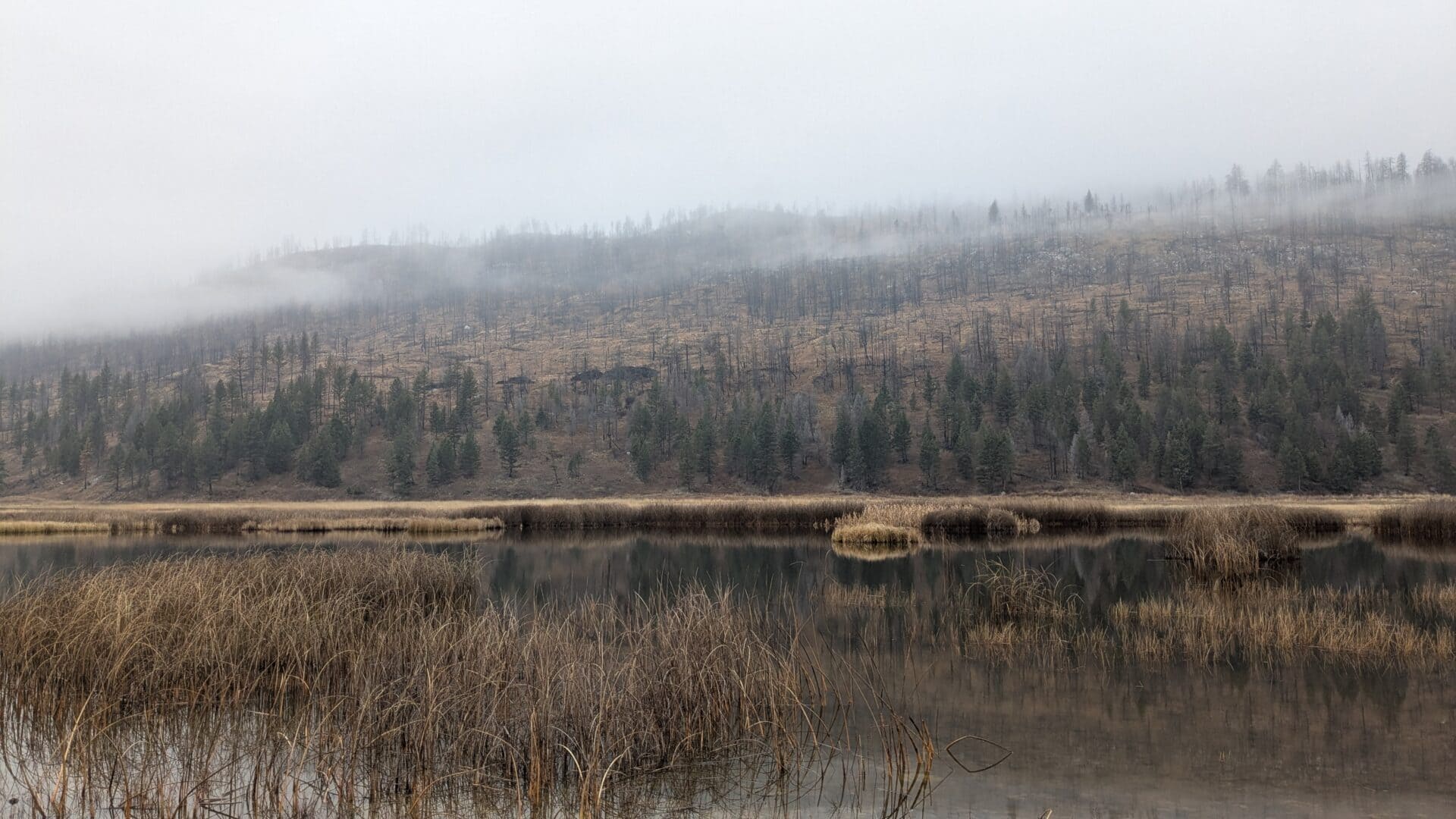
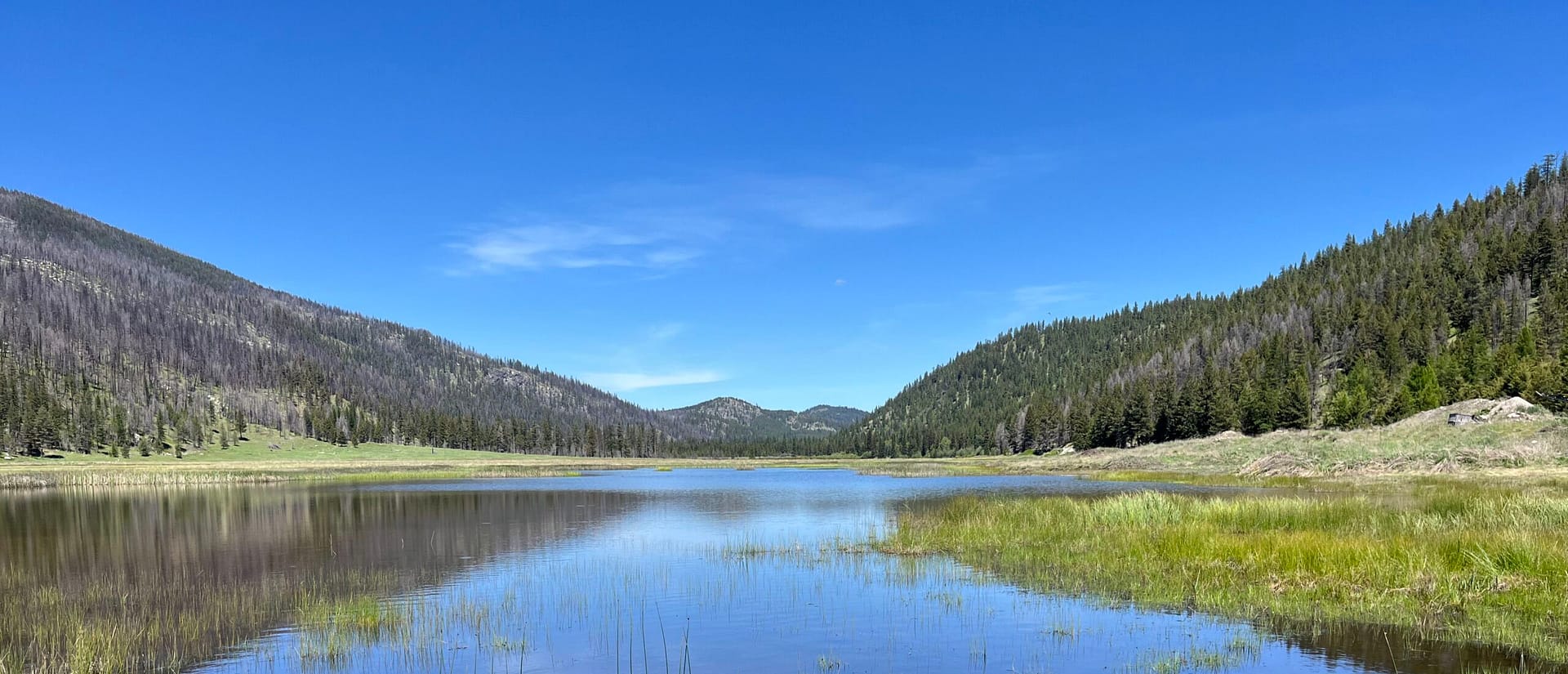
Here at Bonaparte Meadows, a Washington State peatland study from the 1950s suggests that the peat may be as deep as 20 feet in places. That depth tells a story measured not in seasons or decades, but in thousands of years.
Protecting Bonaparte Meadows means protecting more than what we see on the surface. It means safeguarding the deep peat below, the water it holds, the wildlife it supports, and the slow, natural process that makes this place so rare.
Click here to learn more about Bonaparte Meadows.
Photo Credit: Karen Edwards