
Working Lands Conservation
Legacy Along the Similkameen
THREE GENERATIONS, A WORKING RANCH, AND A COMMITMENT TO KEEPING A REMARKABLE LANDSCAPE INTACT.
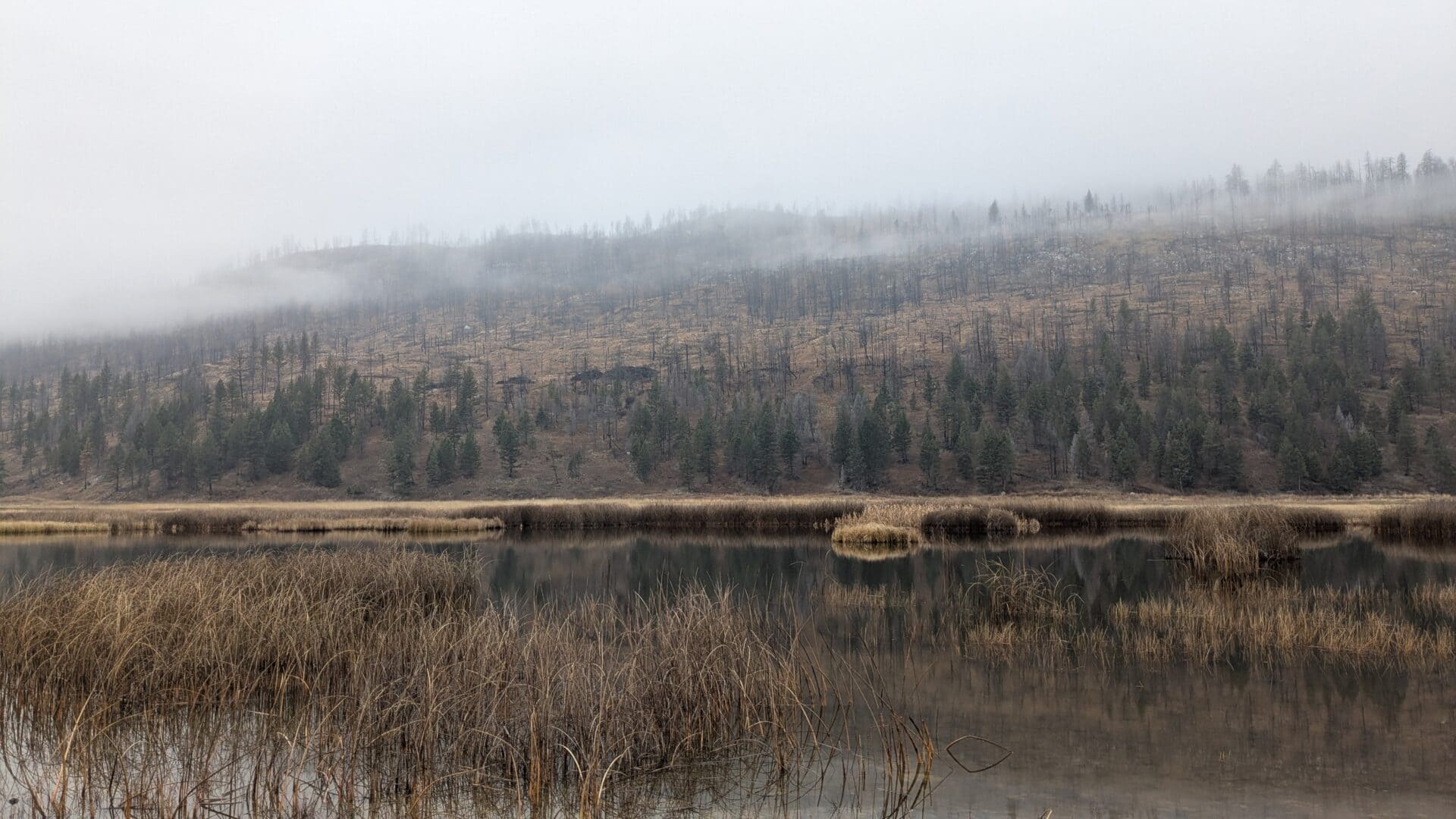
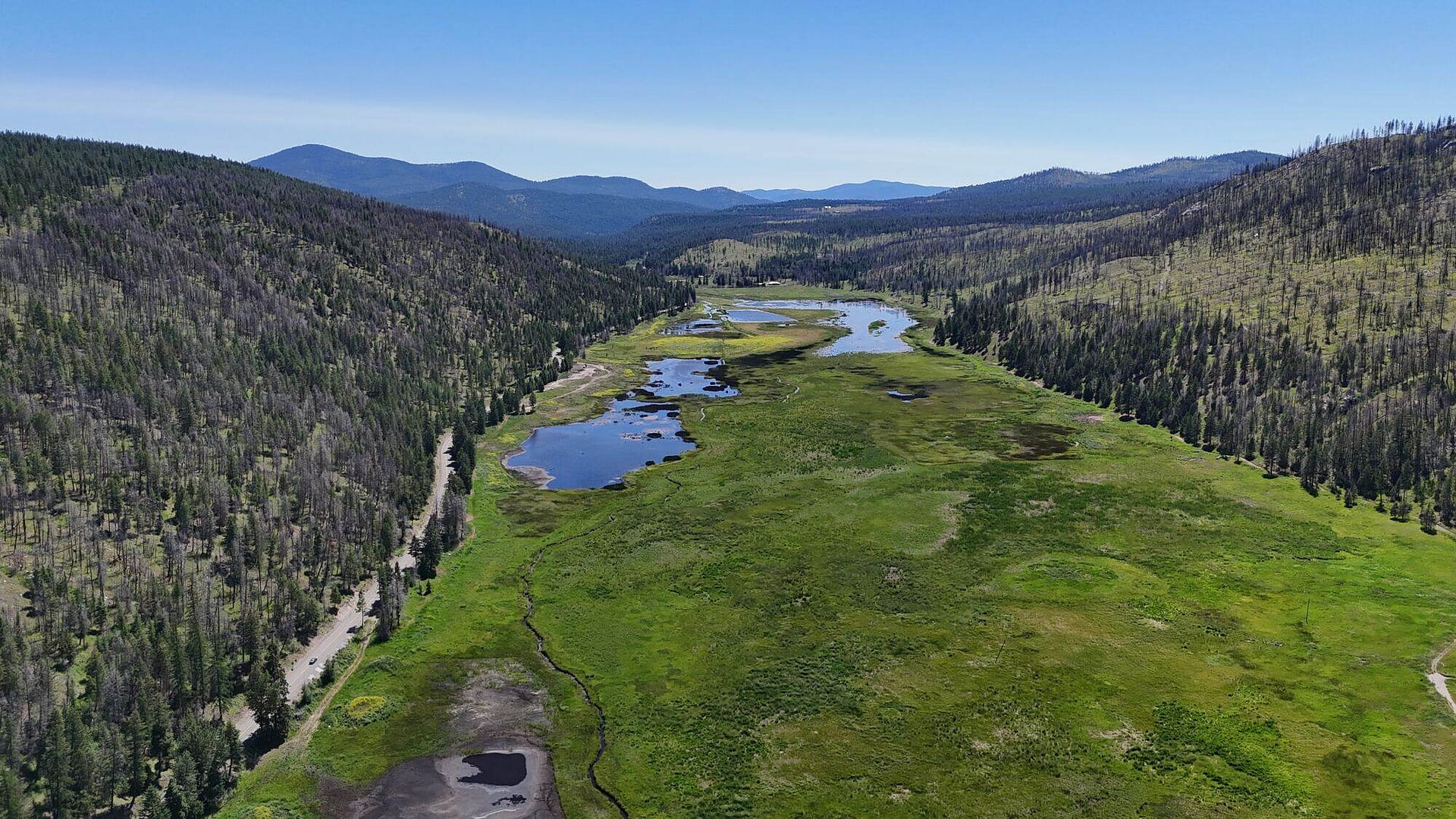
In North Central Washington, Chopaka Mountain rises above the Similkameen Valley, where forested slopes meet open grasslands and fertile river bottomlands. Here, generations of the Wahl family have made their living from the land.
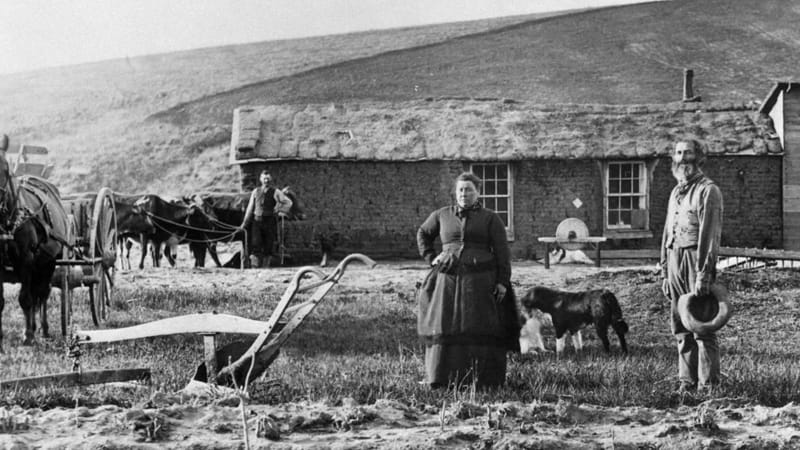
The family’s story began here in 1981, when Ron and Judy Wahl traded life on the coast for the wide-open Similkameen Valley. Drawn by a love of the outdoors and rural life, they came to Loomis to build a cattle ranch. What began with seven cows and two calves has grown into a ranch that continues to shape the family’s life and livelihood more than four decades later.
Today, ranching remains a family operation, with LaMoyne, his wife Sandi, daughters Lexi and Brielle, and the grandkids working the land together.
The family’s cow-calf operation depends on hay grown in the valley’s fertile river-bottom soils. Most years, they produce enough to feed their herd through winter, with surplus often sold to neighboring ranchers.
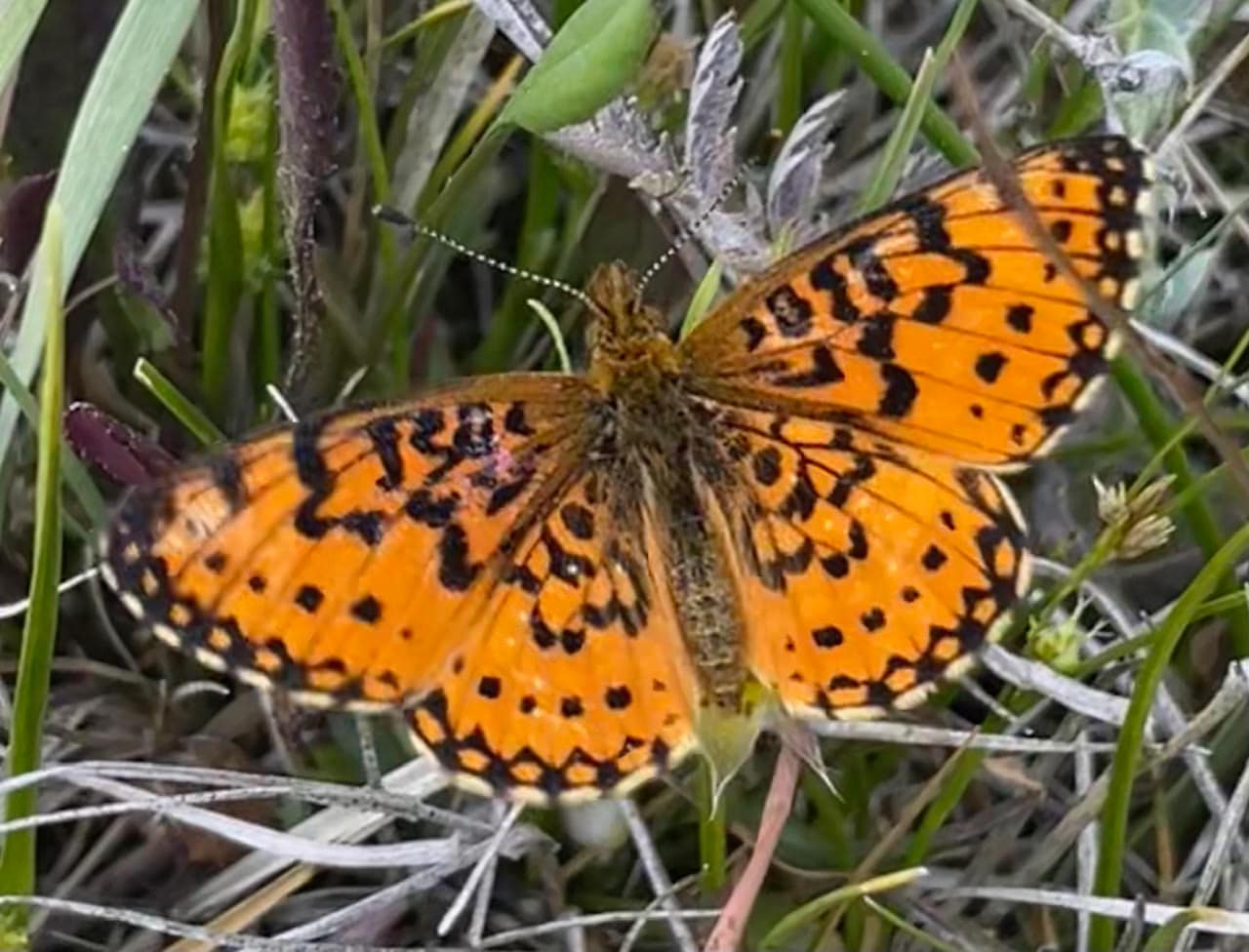
The same landscape that sustains the ranch also supports diverse plant and animal life. Seasonal flooding replenishes wetlands and nourishes mature cottonwood and aspen. Mule deer and white-tailed deer forage across the property, while trumpeter swans and other migratory birds find seasonal refuge along the Similkameen River.
The river also provides habitat for rainbow trout and pygmy whitefish, a Washington Species of Greatest Conservation Need. To the west, shrubsteppe and forested slopes rise toward Chopaka Mountain, where golden eagles, mountain goats, bears, and other wildlife inhabit the rugged terrain.
For the Wahls, the ranch’s future is inseparable from the land that sustains it. Lexi and Brielle plan to continue the cattle operation when LaMoyne retires, carrying forward the work their grandparents began more than four decades ago.
With 406 acres now protected by a permanent conservation easement, the land can remain a working ranch, its agricultural and ecological values conserved for generations to come.
“For me, the conservation easement is about fulfilling a promise I made to my folks: keeping the ranch together and passing it down to family. My hope is that my daughters, Lexi and Brielle, and their children will have the same opportunities to enjoy the ranch as much as we all have.”
The Work of Permanent Protection
Behind every conservation easement is a story of people, partnerships, and a shared commitment to the land.
In 2021, a conversation between neighboring ranchers brought new life to a long-standing idea. Bob Barnes, who had already worked with Okanogan Land Trust to protect his own property, encouraged LaMoyne Wahl to explore a conservation easement for the family ranch. Years earlier, LaMoyne’s father, Ron, had considered the same possibility.
That conversation set in motion a partnership between the Wahl family and OLT. Over the next several years, they worked together to develop an agreement that would preserve the ranch’s agricultural and ecological values while allowing the family to continue making a living from the land. Along the way came field assessments, funding applications, and careful consideration of how the property would be used and managed in the future.
In May 2026, those efforts culminated in the permanent protection of 406 acres of rich farmland soils and riverine habitat along the Similkameen River.
For OLT, the completion of a conservation easement is both a milestone and the beginning of a lasting responsibility. The organization will continue monitoring the property, working with the Wahl family to ensure the conservation commitments remain in place as ownership passes from one generation to the next.
The Wahl Ranch is a reminder that lasting conservation takes more than an agreement on paper. It grows from relationships built over time, trust between neighbors, and a shared commitment to the places that shape this region.
Keep the Land You Love
Learn how conservation easements help landowners protect working lands, wildlife habitat, and the places that matter for future generations.
Explore Conservation Easements