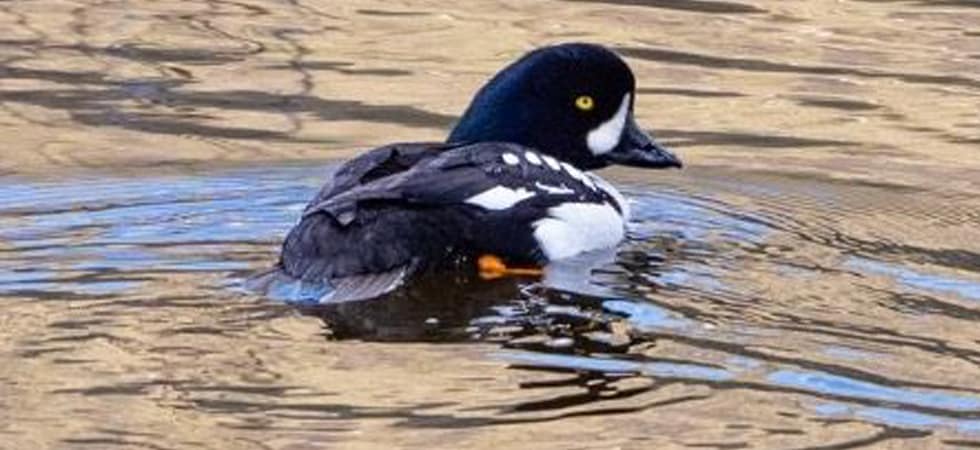
Birds of Bonaparte Meadows
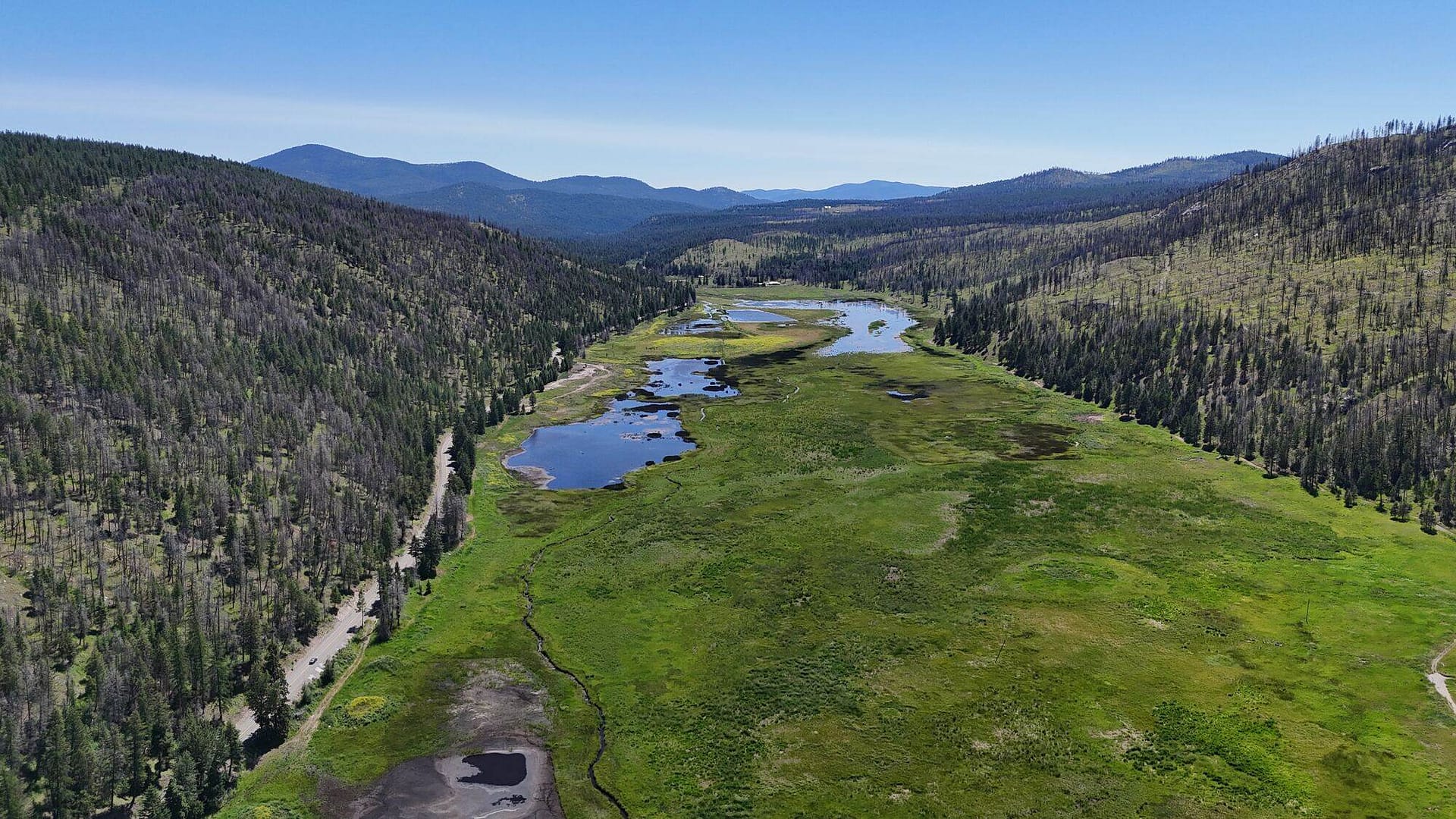
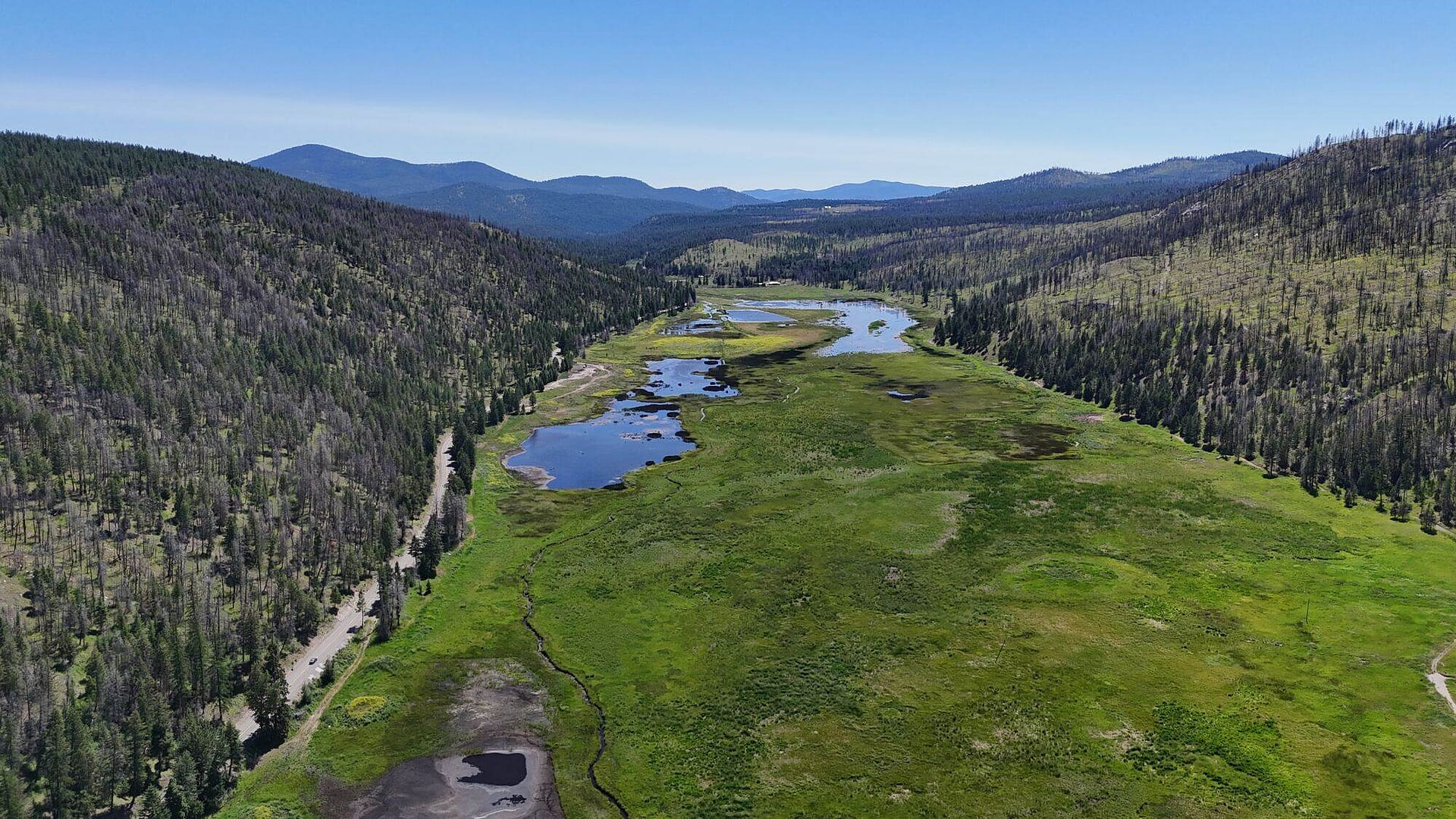
Located below Mount Bonaparte near Bonaparte Lake, Bonaparte Meadows contains Okanogan County’s largest known peat wetland, a headwaters landscape where Bonaparte Creek winds through the fen before continuing downstream toward the Okanogan River. The complex and interconnected matrix of habitats across the site, including open shallow water, deeper ponds, marshy wet meadow, willow thickets, and dry mixed-conifer forested uplands, supports a tremendous variety and abundance of bird life.
Inventory background
What this inventory represents
The bird list on this page represents a compiled inventory of Bonaparte Meadows. It brings together recent field observations and historical bird records from the meadow and nearby habitat.
The inventory draws from observations contributed by community members, field biologists, survey participants, and project partners. Matt Danielson of Conservation Northwest compiled and reconciled the records through June 2026, with provenance verification oversight by Julie Vanderwal of Sparrow Song Consulting and Kent Woodruff, retired U.S. Forest Service wildlife biologist.
Birds do not reveal the whole story in one visit. Some species are seasonal, while others may appear only briefly as they move through open water, wet meadow, willow thickets, forest edge, or surrounding uplands. Bringing multiple records together provides a broader view of the bird life associated with this connected landscape over time.
The result is the summary shown here: 141 bird species recorded, including species recognized through several state and interagency conservation designations.
Summary
How Bonaparte Meadows holds bird life
The bird inventory reflects more than a species count. Bonaparte Meadows brings open water, peat fen, sedge, wet meadow, forest edge, riparian corridor, and surrounding uplands into one connected landscape. Birds move across these habitats daily, seasonally, and across their life cycles.
That variety matters. Some species use the wetland for feeding, resting, or seasonal movement. Others rely on nearby forest, shrubland, or upland edges. Many move between habitat types depending on the time of year, water levels, and available food.
Seen this way, the bird list is not just a record of individual species. It is evidence of a larger habitat mosaic: a place where water, meadow, forest, and edge habitat work together to support bird life across the landscape.
Field views
Bird life across the meadow
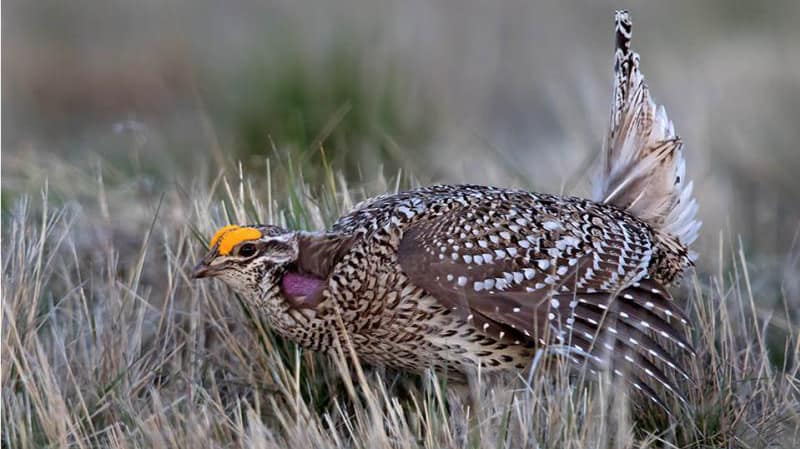
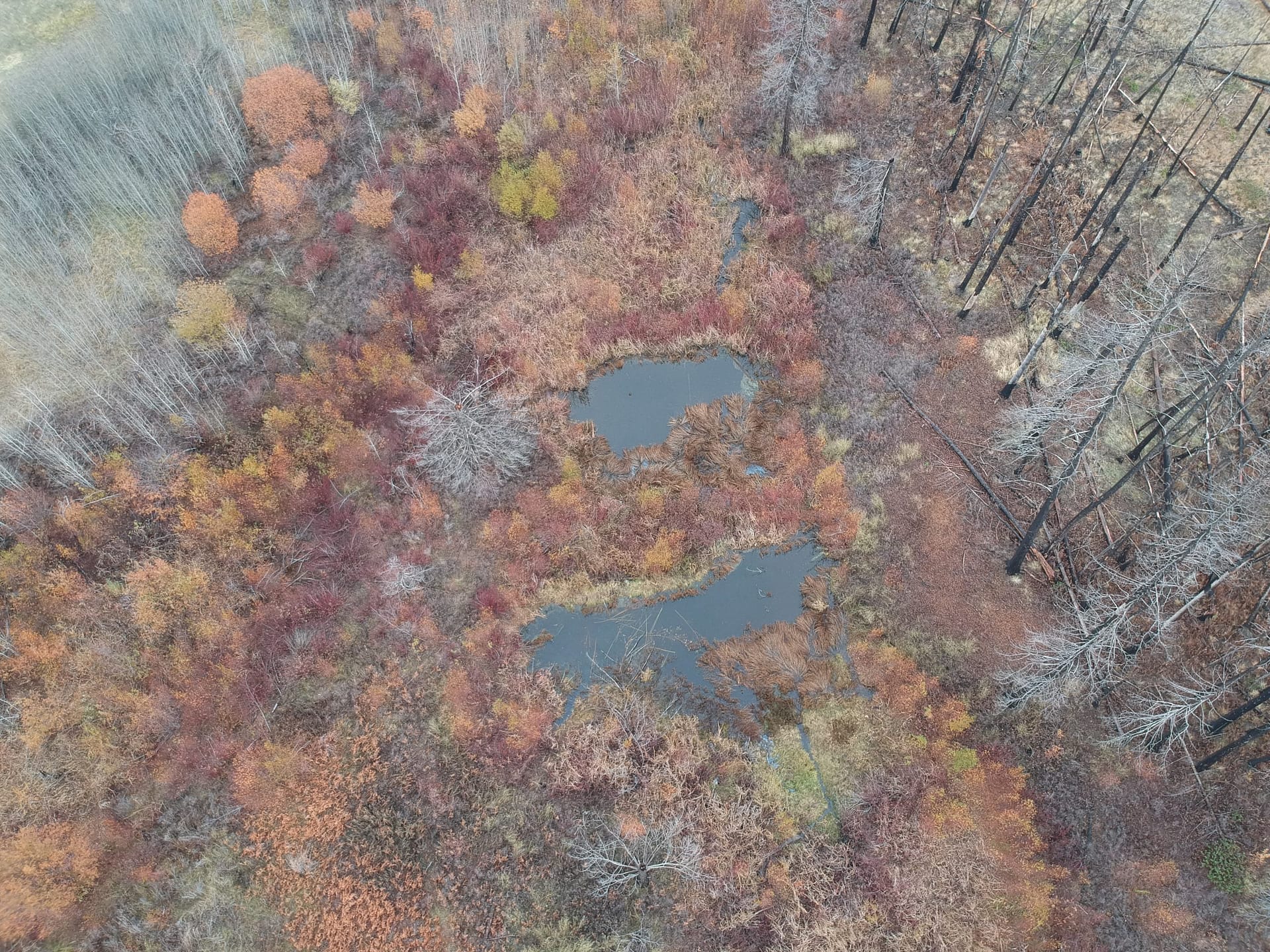
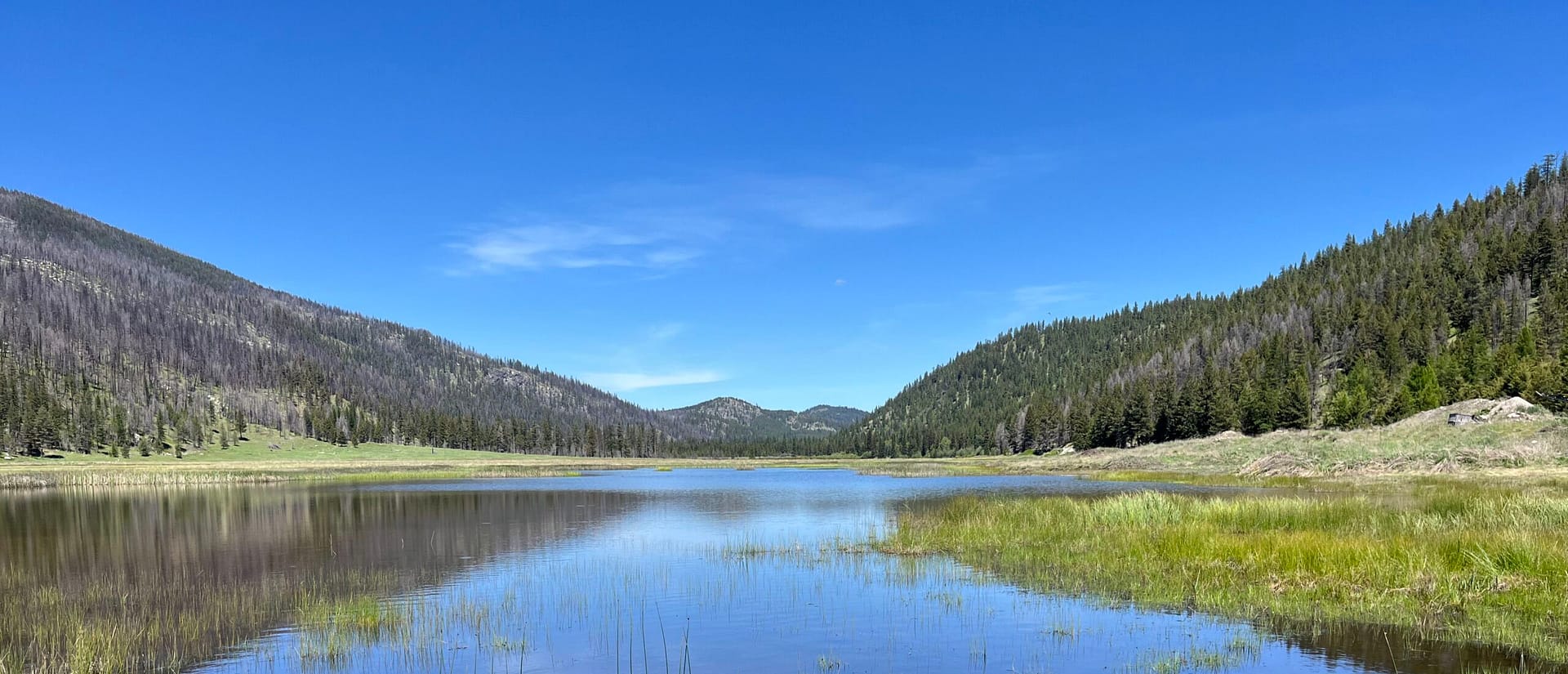
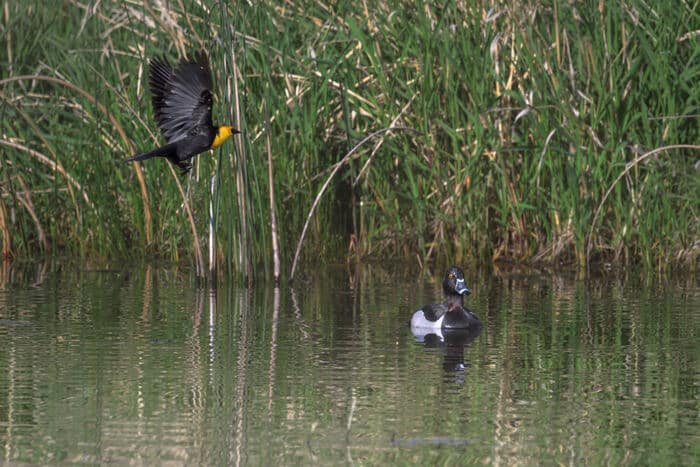
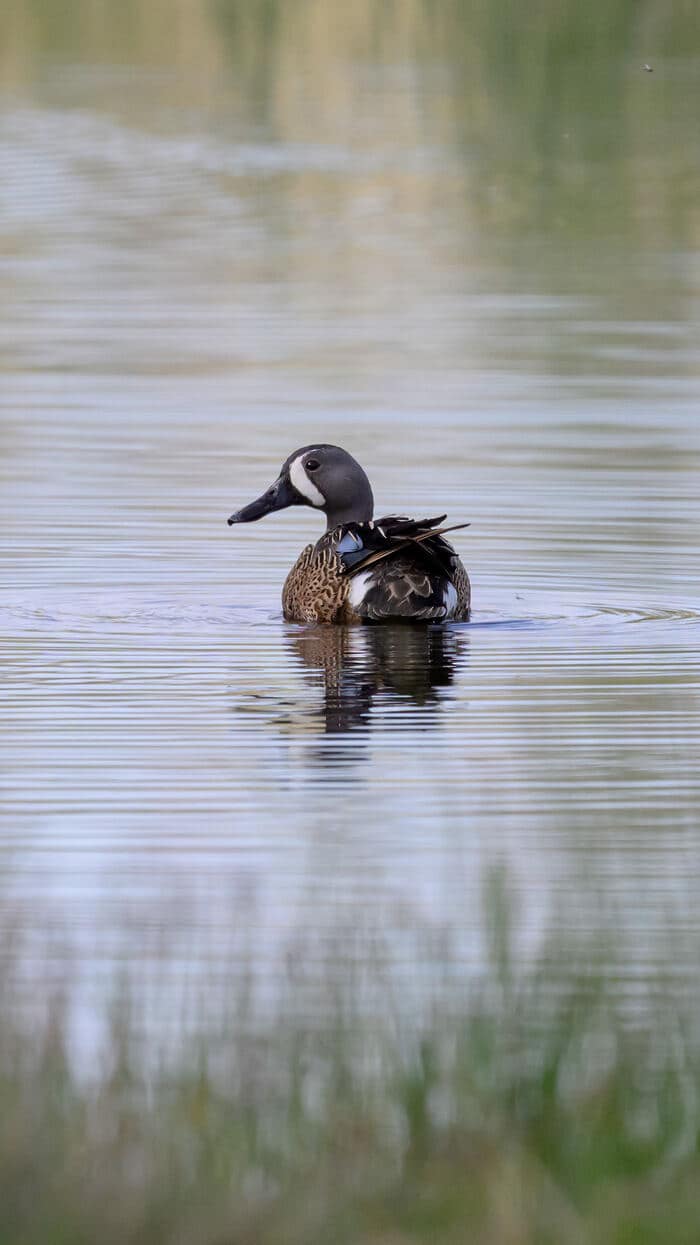
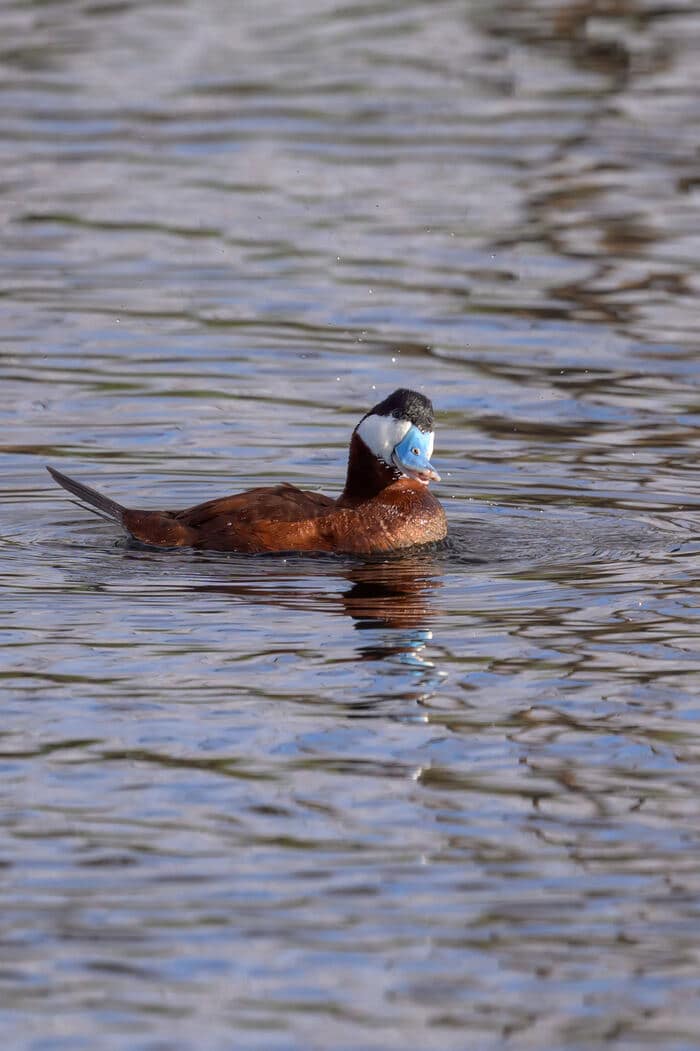
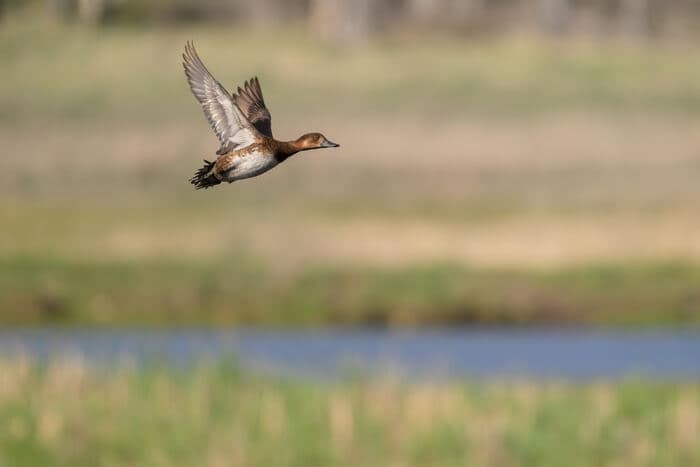
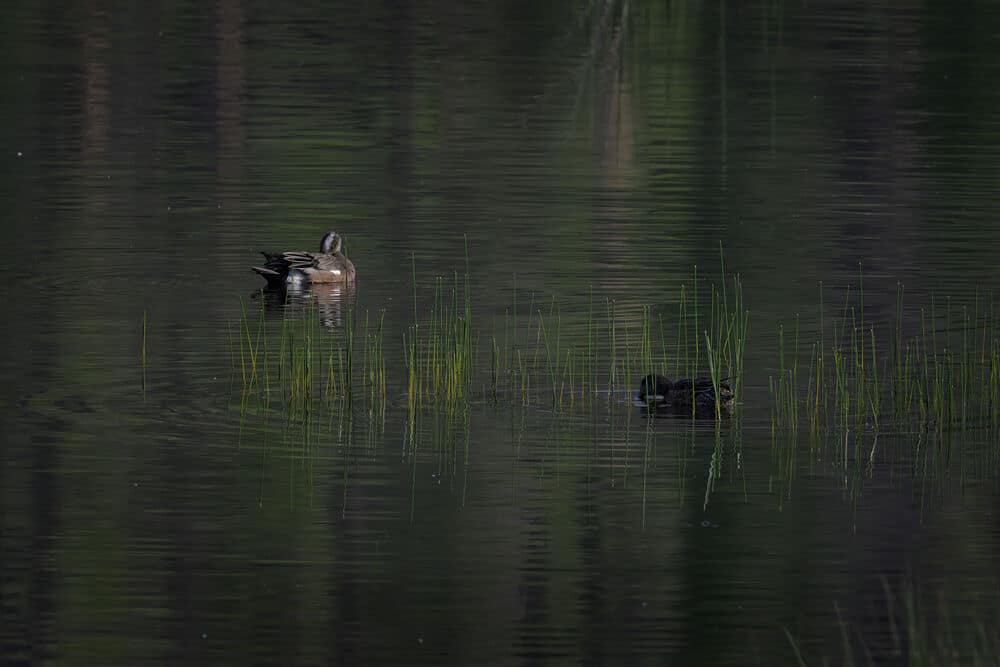
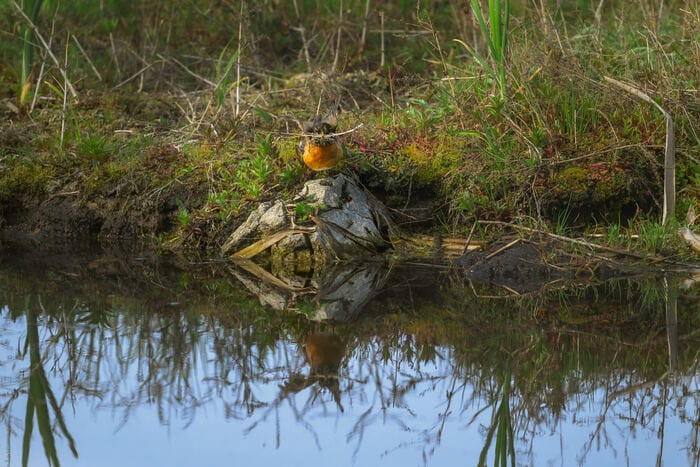
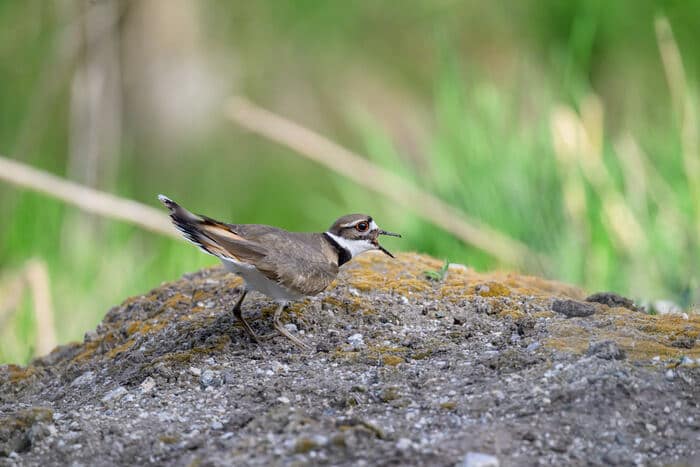
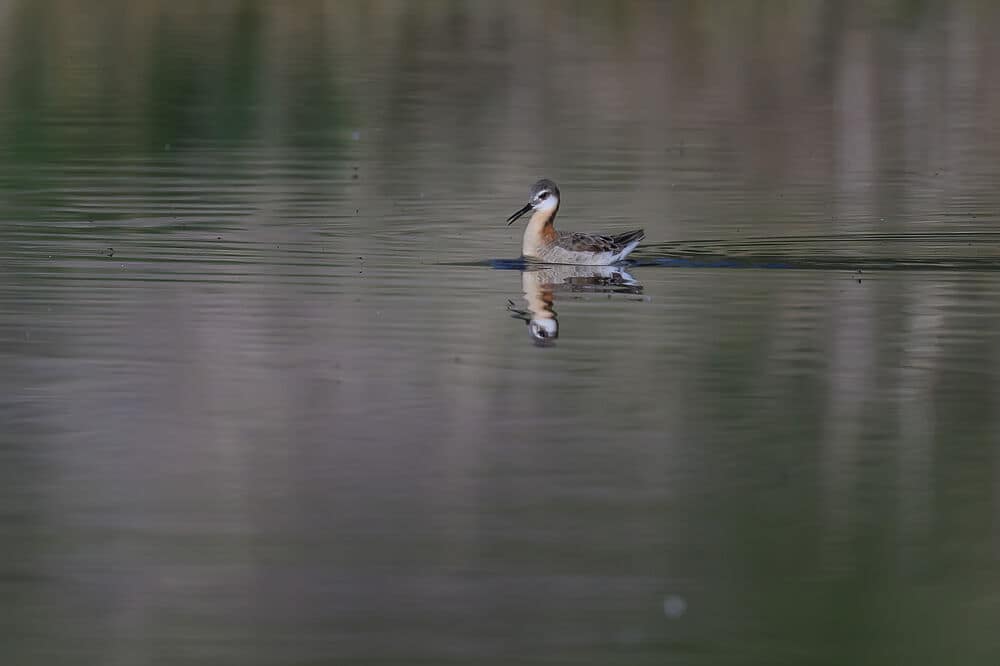
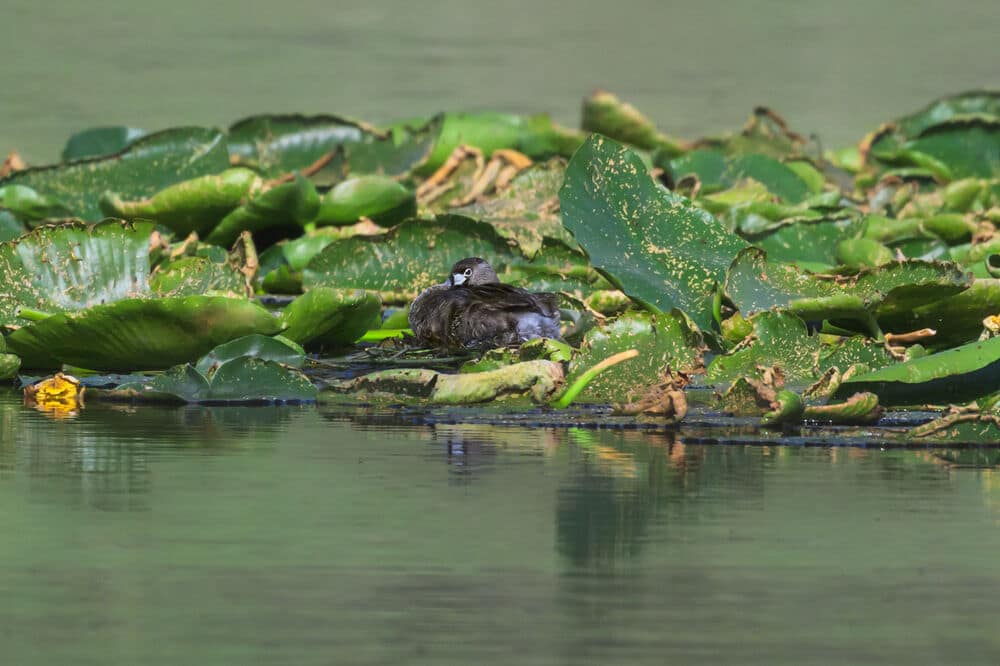
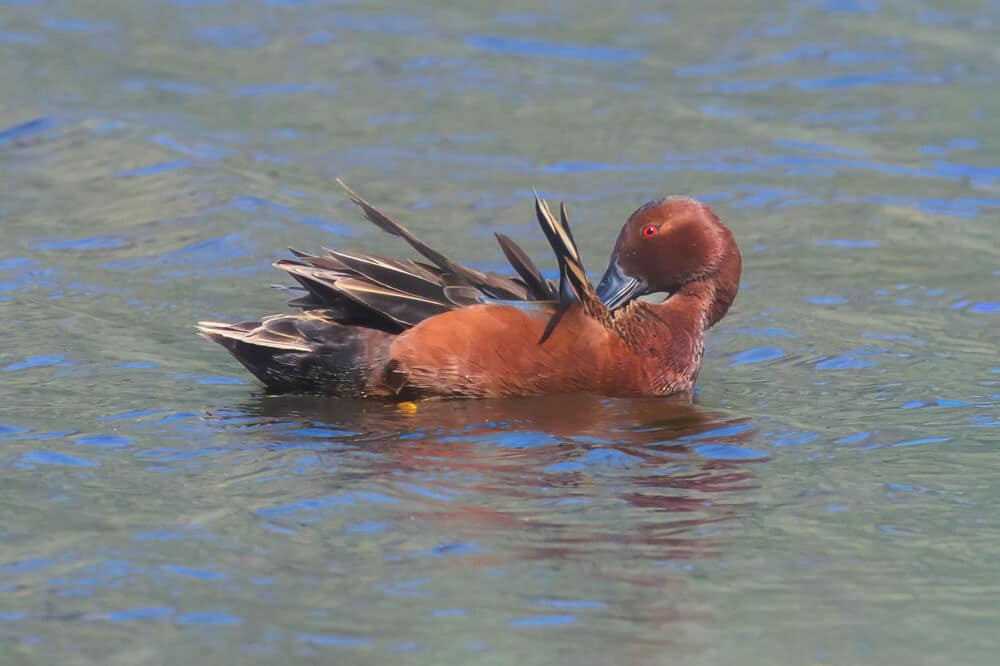
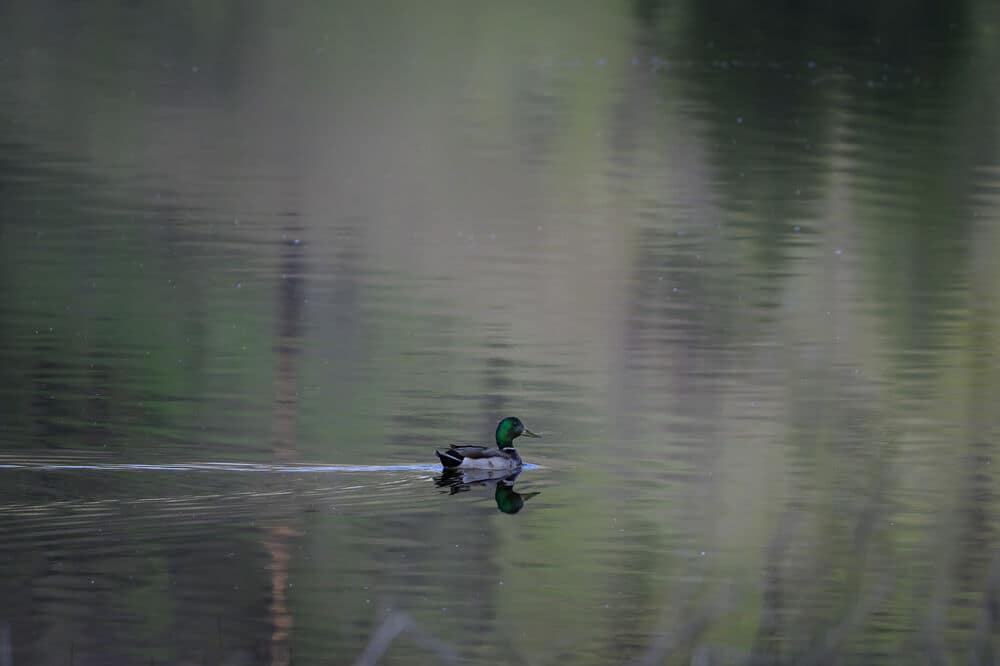
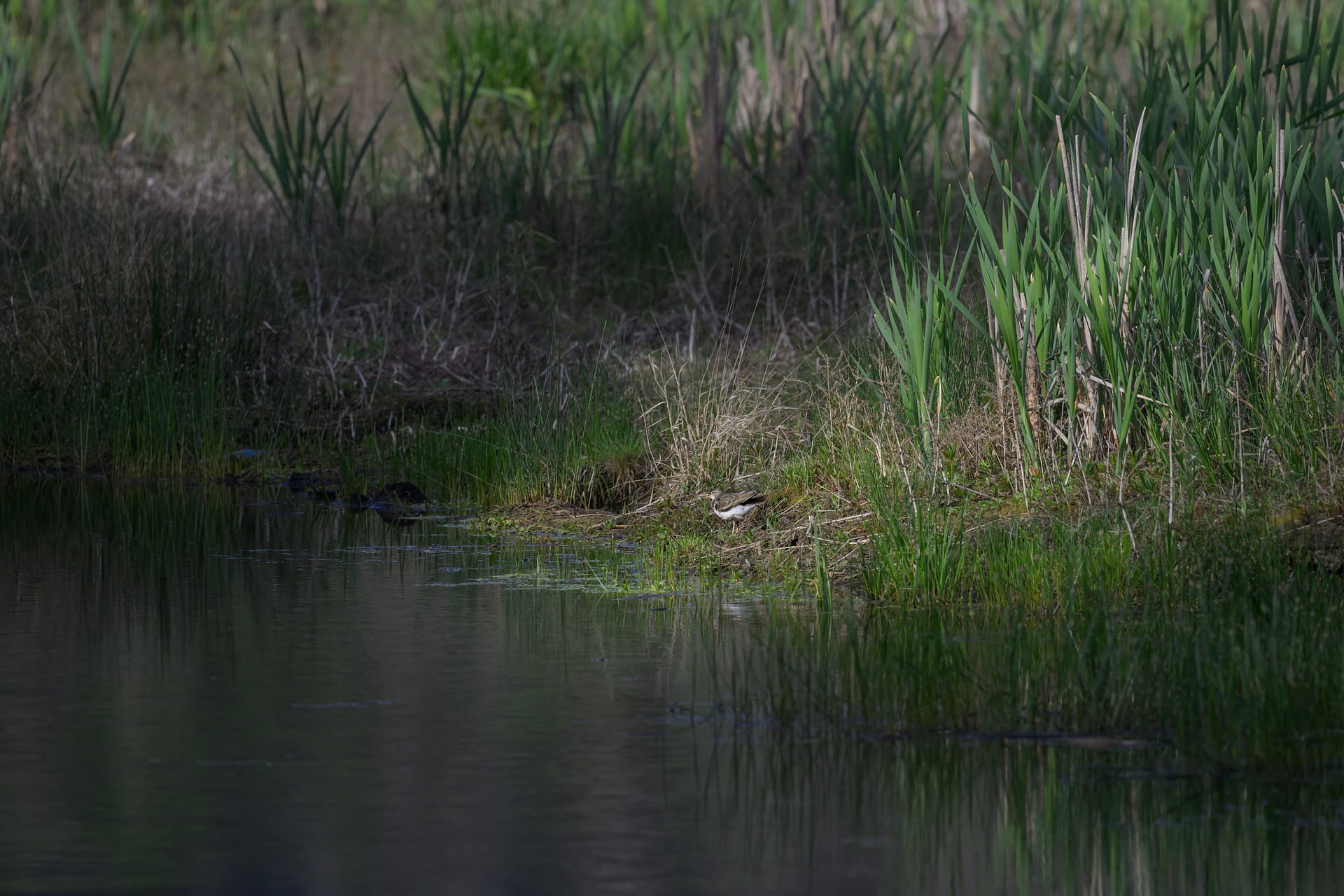
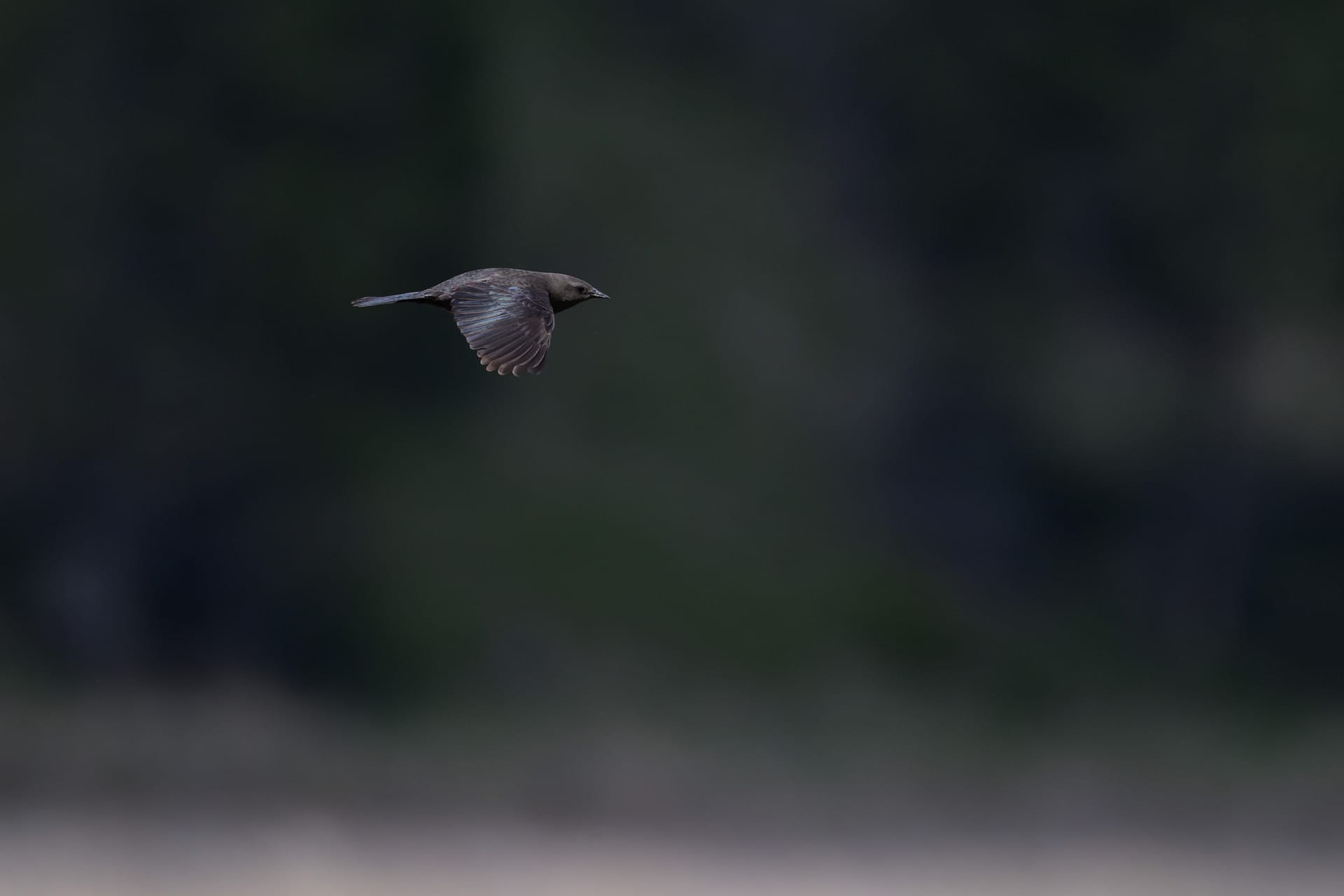
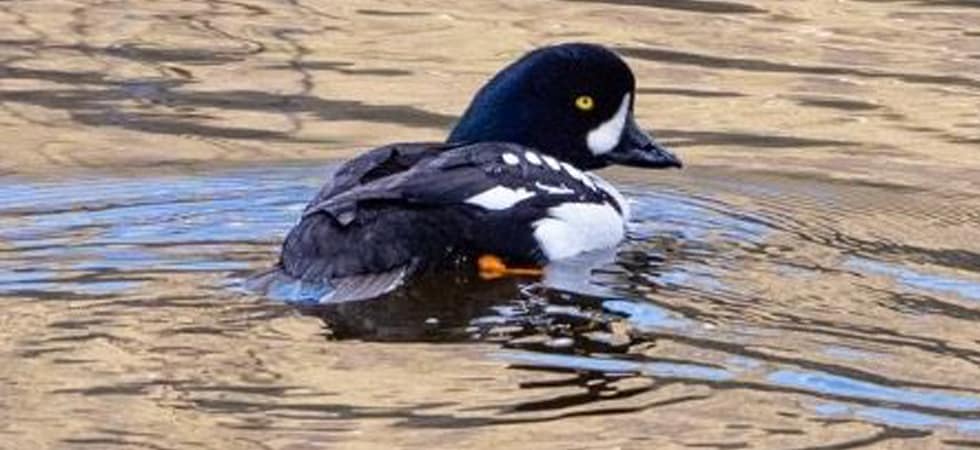
A few views from the Bonaparte Meadows bird inventory, showing the wetland, open water, and meadow habitat that support birds across the property.


Wetland species to watch
Wilson’s Phalarope and the value of shallow wetland habitat
Among the birds recorded at Bonaparte Meadows, Wilson’s Phalarope offers a strong wetland-habitat signal. This small shorebird is associated with fresh and alkali wetlands, especially places with shallow open water, emergent vegetation, and open shoreline. At Bonaparte Meadows, that habitat language fits into the larger story of a mineral-rich calcareous fen and the wet meadow, open water, and shoreline habitat around it.
Its presence points back to the importance of water held on the landscape. Shallow wetlands are not just transitional spaces between land and open water. They are productive habitat where birds can feed, move, nest nearby, and respond to seasonal changes in water levels.
Habitat notes summarized from USGS species account materials for Wilson’s Phalarope. Conservation designation context summarized from Washington Department of Fish & Wildlife Priority Habitats and Species and State Wildlife Action Plan materials.
Explore State & Conservation Designations
Every bird on this list has been run through several conservation screens. Each designation asks a slightly different question, and the categories overlap. A species may appear in more than one category, so totals should not be added together.
Washington Species of Greatest Conservation Need — 13 species
Species of Greatest Conservation Need are birds identified in Washington’s State Wildlife Action Plan as priorities for conservation attention.
- Barrow’s goldeneye
- Cinnamon teal
- Common loon
- Flammulated owl
- Golden eagle
- Lesser scaup
- Lewis’ woodpecker
- Long-billed curlew
- Northern pintail
- Sandhill crane
- Western bluebird
- Western screech-owl
- White-headed woodpecker
Washington Species of Greatest Information Need — 11 species
Species of Greatest Information Need are birds for which Washington needs better information about population trends, distribution, or habitat use to guide conservation decisions.
- Bank swallow
- Common nighthawk
- Evening grosbeak
- Olive-sided flycatcher
- Pine siskin
- Pygmy nuthatch
- Red-necked grebe
- Rufous hummingbird
- Townsend’s warbler
- Williamson’s sapsucker
- Wilson’s phalarope
WDFW Priority Habitat & Species — 31 species
Washington’s Priority Habitats and Species designation is a broad conservation-planning tool. It identifies species and habitats that warrant consideration in land-use, restoration, and conservation decisions.
- American wigeon
- Barrow’s goldeneye
- Blue-winged teal
- Bufflehead
- Canada goose
- Cinnamon teal
- Common goldeneye
- Common loon
- Common merganser
- Dusky grouse
- Eared grebe
- Flammulated owl
- Gadwall
- Golden eagle
- Great blue heron
- Green-winged teal
- Hooded merganser
- Lesser scaup
- Mallard
- Northern pintail
- Northern shoveler
- Pied-billed grebe
- Red-necked grebe
- Redhead
- Ring-necked duck
- Ruddy duck
- Sandhill crane
- Vaux’s swift
- White-headed woodpecker
- Wilson’s phalarope
- Wood duck
Washington State-Status Species — 5 species
Washington state-status designations identify species that are formally listed or under review at the state level. Endangered species face a serious risk of disappearing from Washington. Sensitive species are vulnerable or declining. Candidate species are under review because they may warrant listing in the future.
| Status | Species |
|---|---|
| Endangered | Sandhill crane |
| Sensitive | Common loon |
| Candidate | Golden eagle |
| Candidate | Flammulated owl |
| Candidate | White-headed woodpecker |
ISSSSP Species — 7 species
The Interagency Special Status / Sensitive Species Program is used by federal land-management agencies in the Pacific Northwest to identify species that may need additional consideration in planning and management.
- Bald eagle
- Bufflehead
- Lewis’ woodpecker
- Long-billed curlew
- Red-necked grebe
- Sandhill crane
- White-headed woodpecker
Full Bird Inventory
Explore the complete Bonaparte Meadows bird list, or browse the inventory by taxonomic group for more structure.
Bonaparte Meadows Bird List
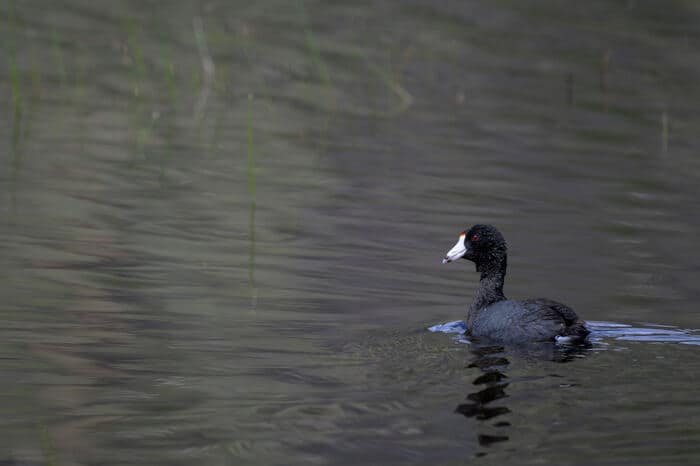
- American coot
- American crow
- American goldfinch
- American kestrel
- American robin
- American wigeon
- Bald eagle
- Bank swallow
- Barn swallow
- Barrow’s goldeneye
- Belted kingfisher
- Black-billed magpie
- Black-capped Chickadee
- Black-chinned hummingbird
- Black-headed grosbeak
- Blue-winged teal
- Brewer’s blackbird
- Brown creeper
- Brown-headed cowbird
- Bufflehead
- Bullock’s oriole
- California quail
- Calliope hummingbird
- Canada goose
- Cassin’s finch
- Cassin’s vireo
- Cedar waxwing
- Chipping sparrow
- Cinnamon teal
- Clark’s nutcracker
- Cliff swallow
- Common goldeneye
- Common loon
- Common merganser
- Common nighthawk
- Common poorwill
- Common raven
- Common yellowthroat
- Dark-eyed Junco
- Downy woodpecker
- Dusky flycatcher
- Dusky grouse
- Eared grebe
- European starling
- Evening grosbeak
- Flammulated owl
- Gadwall
- Golden eagle
- Golden-crowned kinglet
- Great blue heron
- Great horned owl
- Greater yellowlegs
- Green-winged teal
- Hairy woodpecker
- Hammond’s flycatcher
- Hermit thrush
- Hooded merganser
- Horned lark
- Killdeer
- Lark sparrow
- Lazuli bunting
- Lesser scaup
- Lewis’ woodpecker
- Lincoln’s sparrow
- Long-billed curlew
- Long-eared owl
- MacGillivray’s warbler
- Mallard
- Marsh wren
- Mountain bluebird
- Mountain chickadee
- Mourning dove
- Nashville warbler
- Northern flicker
- Northern harrier
- Northern house wren
- Northern pintail
- Northern pygmy owl
- Northern rough-winged swallow
- Northern shoveler
- Northern Shrike
- Northern yellow warbler
- Olive-sided flycatcher
- Orange-crowned warbler
- Pied-billed grebe
- Pileated woodpecker
- Pine grosbeak
- Pine siskin
- Pygmy nuthatch
- Red crossbill
- Red-breasted nuthatch
- Red-eyed vireo
- Redhead
- Red-naped sapsucker
- Red-necked grebe
- Red-tailed hawk
- Red-winged blackbird
- Ring-necked duck
- Ruby-crowned kinglet
- Ruddy duck
- Ruffed grouse
- Rufous hummingbird
- Sandhill crane
- Savannah sparrow
- Say’s phoebe
- Snow bunting
- Solitary sandpiper
- Song sparrow
- Sora
- Spotted sandpiper
- Spotted towhee
- Steller’s jay
- Swainson’s thrush
- Townsend’s solitaire
- Townsend’s warbler
- Tree swallow
- Turkey Vulture
- Vaux’s swift
- Vesper sparrow
- Violet-green swallow
- Virginia rail
- Western bluebird
- Western meadowlark
- Western screech-owl
- Western tanager
- Western warbling vireo
- Western wood-pewee
- White-breasted nuthatch
- White-crowned sparrow
- White-headed woodpecker
- White-winged crossbill
- Wild turkey
- Williamson’s sapsucker
- Willow flycatcher
- Wilson’s phalarope
- Wilson’s snipe
- Wilson’s warbler
- Wood duck
- Yellow-breasted chat
- Yellow-headed blackbird
- Yellow-rumped warbler
Browse by taxonomic group
Galliformes Landfowl
- Dusky grouse
- Ruffed grouse
- California quail
- Wild turkey
Anseriformes Waterfowl
- Canada goose
- American wigeon
- Gadwall
- Mallard
- Northern pintail
- Wood duck
- Northern shoveler
- Green-winged teal
- Blue-winged teal
- Cinnamon teal
- Redhead
- Ring-necked duck
- Lesser scaup
- Common goldeneye
- Barrow’s goldeneye
- Bufflehead
- Ruddy duck
- Common merganser
- Hooded merganser
Podicipediformes Grebes
- Pied-billed grebe
- Red-necked grebe
- Eared grebe
Columbiformes Doves
- Mourning dove
Apodiformes Swifts & Hummingbirds
- Rufous hummingbird
- Black-chinned hummingbird
- Calliope hummingbird
- Vaux’s swift
Caprimulgiformes
- Common poorwill
- Common nighthawk
Gruiformes Cranes & Allies
- American coot
- Sandhill crane
- Sora
- Virginia rail
Charadriiformes Gulls, Shorebirds & Auks
- Wilson’s snipe
- Wilson’s phalarope
- Killdeer
- Greater yellowlegs
- Solitary sandpiper
- Spotted sandpiper
- Long-billed curlew
Gaviiformes Loons
- Common loon
Pelicaniformes Herons, Ibises & Pelicans
- Great blue heron
Accipitriformes Hawks, Eagles & Kites
- Golden eagle
- Bald eagle
- Northern harrier
- Red-tailed hawk
Cathartiformes New World Vultures
- Turkey Vulture
Strigiformes Owls
- Great horned owl
- Northern pygmy owl
- Western screech-owl
- Flammulated owl
- Long-eared owl
Coraciiformes
- Belted kingfisher
Piciformes Woodpeckers
- Pileated woodpecker
- Northern flicker
- Lewis’ woodpecker
- White-headed woodpecker
- Hairy woodpecker
- Downy woodpecker
- Williamson’s sapsucker
- Red-naped sapsucker
Falconiformes Falcons
- American kestrel
Passeriformes Songbirds
- Northern rough-winged swallow
- Tree swallow
- Violet-green swallow
- Barn swallow
- Bank swallow
- Cliff swallow
- Say’s phoebe
- Olive-sided flycatcher
- Western wood-pewee
- Hammond’s flycatcher
- Dusky flycatcher
- Willow flycatcher
- Western warbling vireo
- Cassin’s vireo
- Red-eyed vireo
- Northern Shrike
- Mountain bluebird
- Western bluebird
- Townsend’s solitaire
- Swainson’s thrush
- Hermit thrush
- American robin
- Horned lark
- Cedar waxwing
- American crow
- Common raven
- Steller’s jay
- Black-billed magpie
- Clark’s nutcracker
- Brown creeper
- White-breasted nuthatch
- Red-breasted nuthatch
- Pygmy nuthatch
- Mountain chickadee
- Black-capped Chickadee
- Northern house wren
- Marsh wren
- Ruby-crowned kinglet
- Golden-crowned kinglet
- Northern yellow warbler
- Wilson’s warbler
- Orange-crowned warbler
- Nashville warbler
- MacGillivray’s warbler
- Yellow-rumped warbler
- Common yellowthroat
- Townsend’s warbler
- Yellow-breasted chat
- Snow bunting
- Chipping sparrow
- White-crowned sparrow
- Savannah sparrow
- Vesper sparrow
- Lark sparrow
- Lincoln’s sparrow
- Song sparrow
- Dark-eyed Junco
- Spotted towhee
- Western tanager
- Black-headed grosbeak
- Lazuli bunting
- Western meadowlark
- Bullock’s oriole
- Brown-headed cowbird
- Brewer’s blackbird
- Red-winged blackbird
- Yellow-headed blackbird
- Pine grosbeak
- Evening grosbeak
- Cassin’s finch
- Pine siskin
- American goldfinch
- Red crossbill
- White-winged crossbill
- European starling
Sources
- Bonaparte Meadows bird observations contributed by landowners, community members, field biologists, survey participants, and project partners. Dated records represented in the compiled inventory include observations by Matt Danielson in May 2007, June 2008, June 2016, April, May, and August 2021, and May and June 2024.
- Additional dated observations include Ann and Cheryl in January 2012; Jim Jones in spring 2023; Julianna Hallza on April 9, 2026; Lee Johnson on April 22, May 1, and June 1, 2026; the May Bird Survey team on May 20, 2026; Teri Pieper on May 28, 2026; and Kent Woodruff on June 27, 2026.
- Matt Danielson of Conservation Northwest compiled and reconciled the records through June 2026. Provenance verification oversight was provided by Julie Vanderwal of Sparrow Song Consulting and Kent Woodruff, retired U.S. Forest Service wildlife biologist.
- Washington Department of Fish and Wildlife Priority Habitats and Species and State Wildlife Action Plan materials were used for conservation-designation context.
- U.S. Geological Survey Wilson’s Phalarope species-account materials were used for habitat context.
- Inventory note: Common Loon and Sandhill Crane are included in the compiled species total as flyover records.
- Field and bird photography courtesy of Karen Edwards Photography.