A Small Butterfly With a Wetland Story
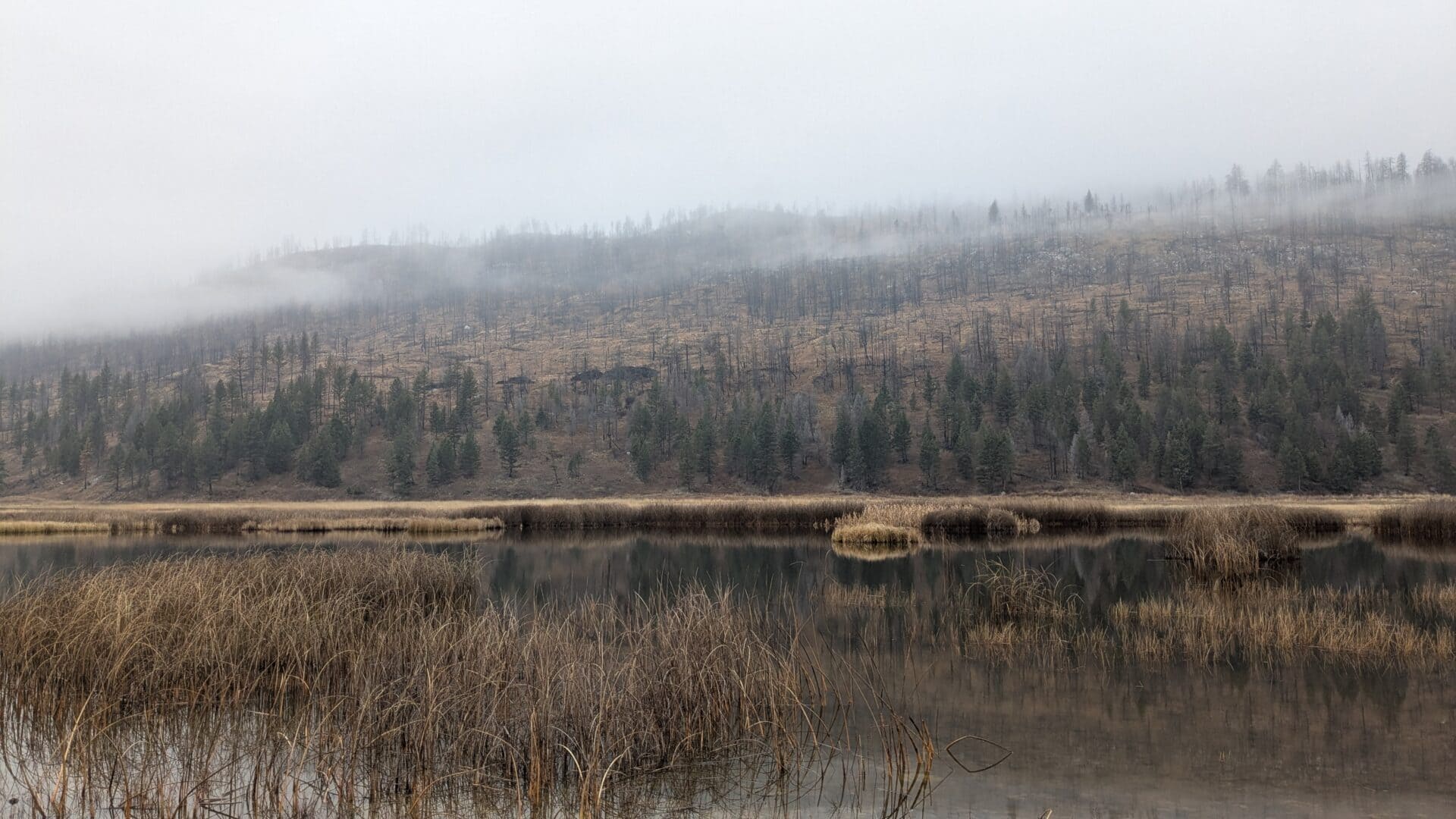
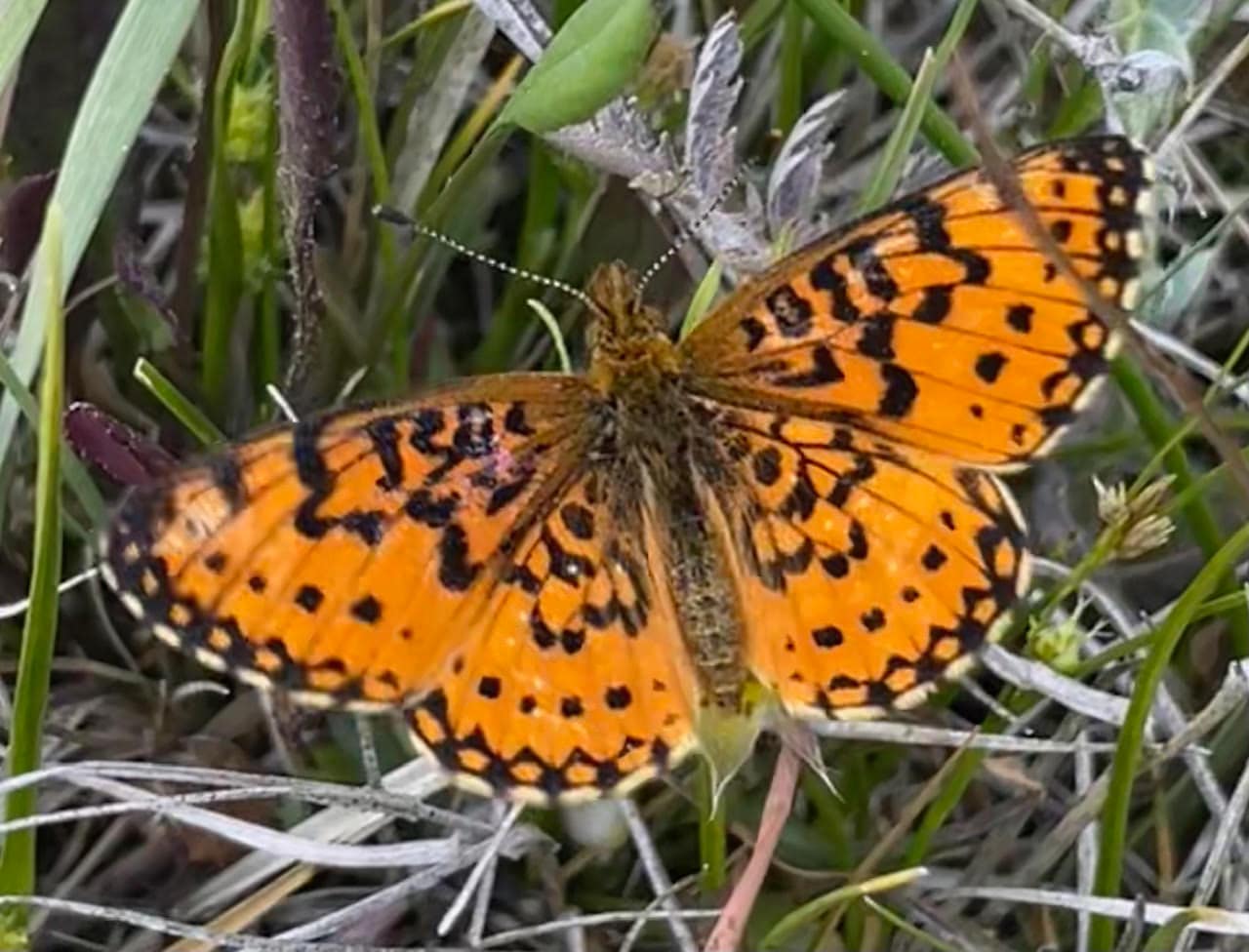
The Silver-bordered Fritillary has appeared in Bonaparte records across decades, pointing back to rare wetland micro-habitats, long-term observation, and the species that depend on connected fen and meadow systems.
Photo: Cheryl Bellin.
Some butterflies tell you what kind of landscape you’re standing in. The Silver-bordered Fritillary is one of them.
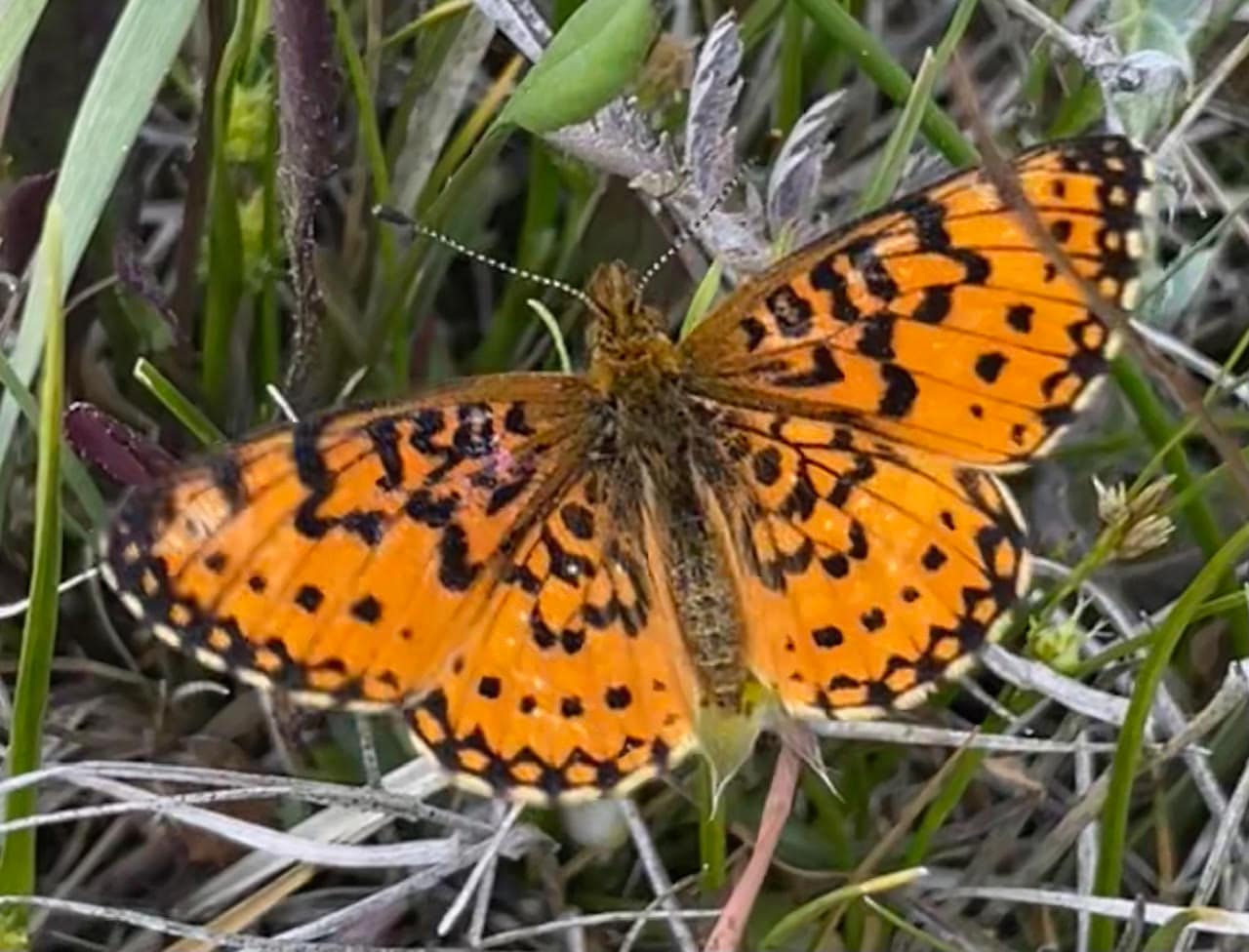
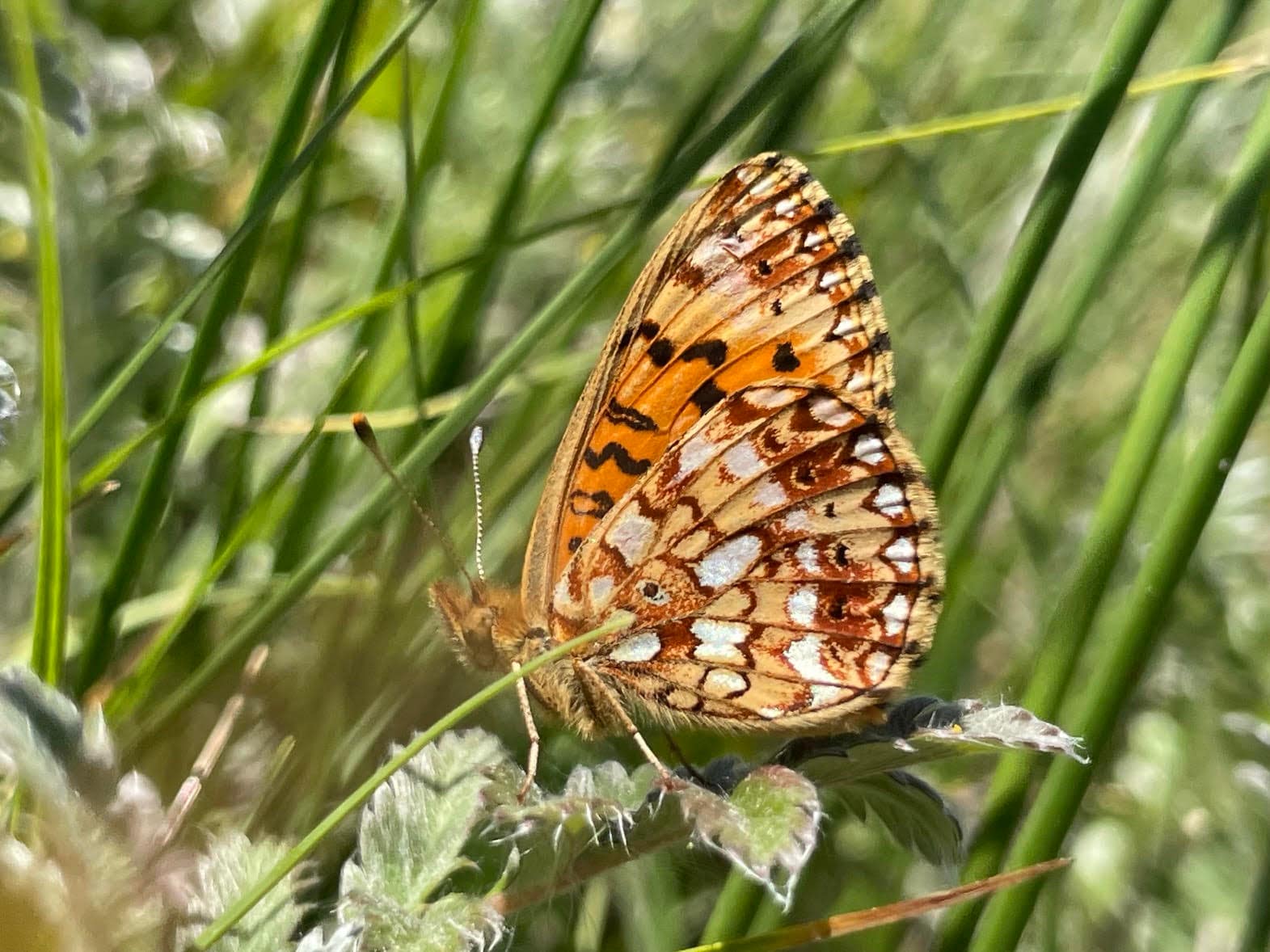
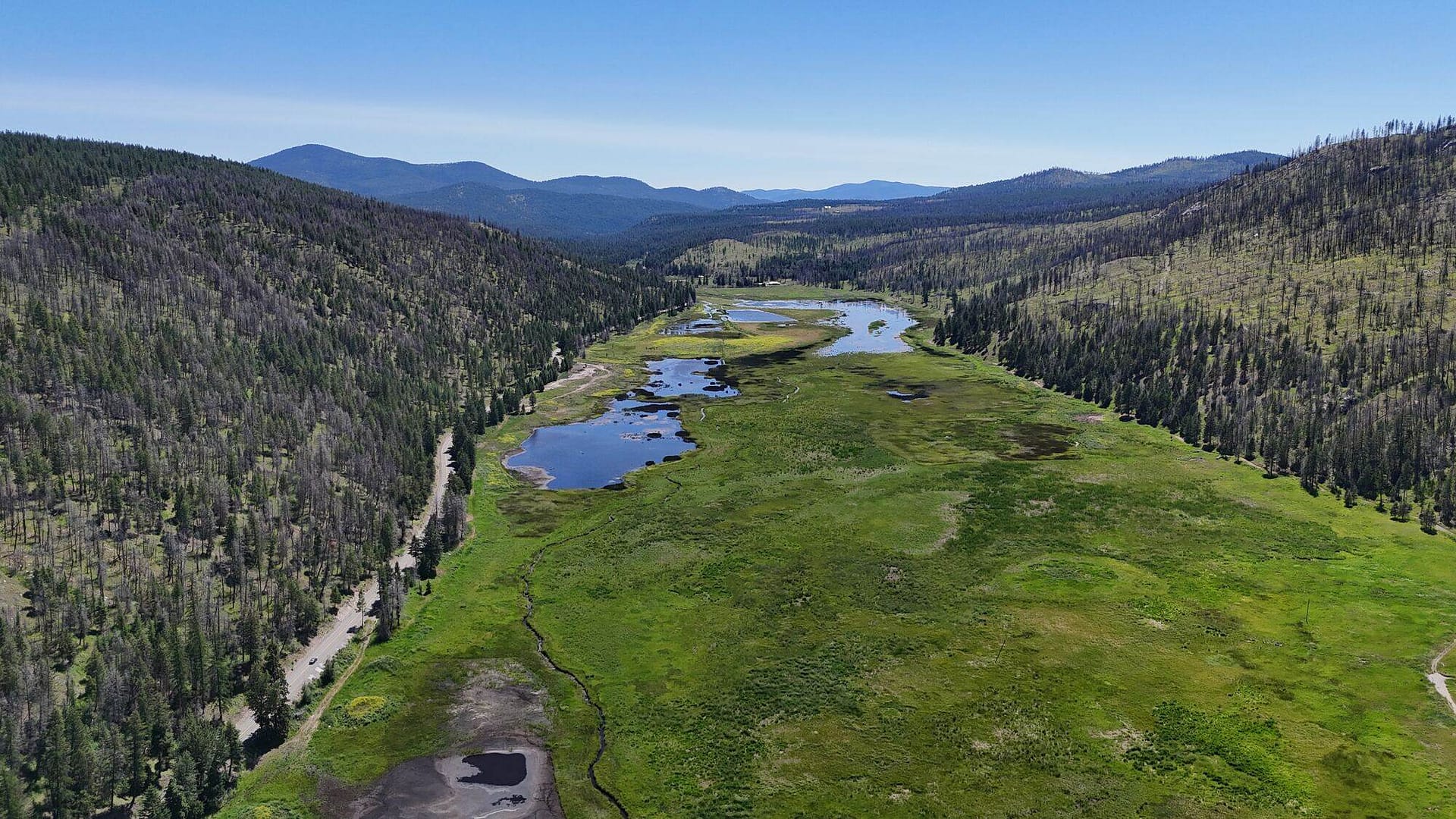
In Washington, the Silver-bordered Fritillary is closely tied to specialized wetland micro-habitats, including rare fen systems found within otherwise dry steppe and open forest landscapes of eastern Washington. These are not generic wet places. They depend on specific hydrology, soil chemistry, vegetation structure, and plant communities.
That specificity matters.
The Washington Department of Fish and Wildlife recognizes the Silver-bordered Fritillary as a Species of Greatest Conservation Need. Its population in Washington is low and considered declining, with conservation concern tied to rare and restricted hostplants and habitat types, a small number of isolated populations, limited range and distribution, and known threats to habitat.
WDFW also notes that more research is needed to better understand the butterfly’s specific habitat requirements, including vegetation structure, food plant size and density, and key habitat features.
At Bonaparte, the records create a quiet thread across the landscape.
-
1988
John and Sigrid Shepard recorded the Silver-bordered Fritillary near the south end of Bonaparte Lake.
-
2001
Floyd and June Preston documented it along Bonaparte Creek and Bonaparte Lake Road.
-
2026
Cheryl Bellin and Jim Rauh recorded it again near Bonaparte Creek during butterfly survey work.
Butterfly records are shaped by timing, weather, survey effort, and season. They do not tell the whole story of what happened in the years between. But they do offer something valuable: repeated glimpses of the same species in the same wetland-connected landscape.
Across decades, this butterfly keeps appearing near the wetland-connected parts of the Bonaparte landscape: lake edge, creek corridor, meadow, and nearby openings. For a species tied to rare and restricted habitat conditions, those details matter.
The climate vulnerability information for this species adds another layer. Silver-bordered Fritillaries depend on fen and wet meadow systems that exist within a narrow range of hydrological conditions. Changes in snowpack, precipitation, drought, flooding, soil moisture, and water temperature can affect both the habitat and the butterfly’s life stages.
Drought and forest succession can also reduce violet abundance, an important larval host plant, along with the nectar resources adult females need for reproductive success. Adults occur in late summer, when flowering plants are often less abundant, making available nectar especially important.
That makes the Bonaparte records more than a butterfly note. They point to the kind of habitat details that conservation work has to hold together: wet ground, violets, nectar plants, open meadow structure, riparian edges, hydrology, and the continuity of rare wetland systems over time.
The Silver-bordered Fritillary adds another layer to the story of Bonaparte Meadows. Its presence points to a landscape where small things depend on very specific conditions, and where protecting the whole wetland system helps protect the life woven through it.
Sources
- Washington Department of Fish and Wildlife. Silver-bordered Fritillary species profile .
- Washington Department of Fish and Wildlife. State Wildlife Action Plan species information for Silver-bordered Fritillary, including conservation status, climate vulnerability, habitat associations, threats, and conservation actions.
- Bonaparte Meadows butterfly survey records, including observations by John and Sigrid Shepard, Floyd and June Preston, and Cheryl Bellin and Jim Rauh, with provenance review by Jon Pelham, longtime keeper of Washington butterfly records for the Washington Butterfly Survey, Curatorial Associate of Butterflies at the Burke Museum, butterfly taxonomy expert, and author of A Catalogue of the Butterflies of the United States and Canada.
- Photos: Cheryl Bellin.