
Birds of Bonaparte Meadows
Located below Mount Bonaparte near Bonaparte Lake, Bonaparte Meadows contains Okanogan County’s largest known peat wetland, a headwaters landscape where Bonaparte Creek winds through the fen before continuing downstream toward the Okanogan River. The site is home to one of the rarest wetland types in Washington and the United States: a calcareous fen fed by mineral-rich groundwater.
Field views
Bird life across the meadow
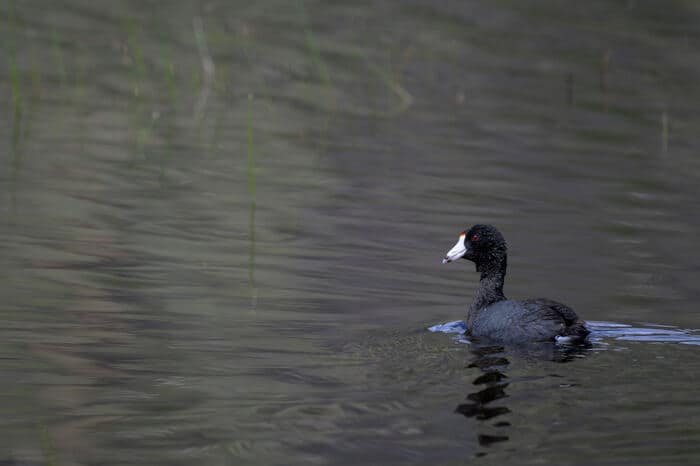
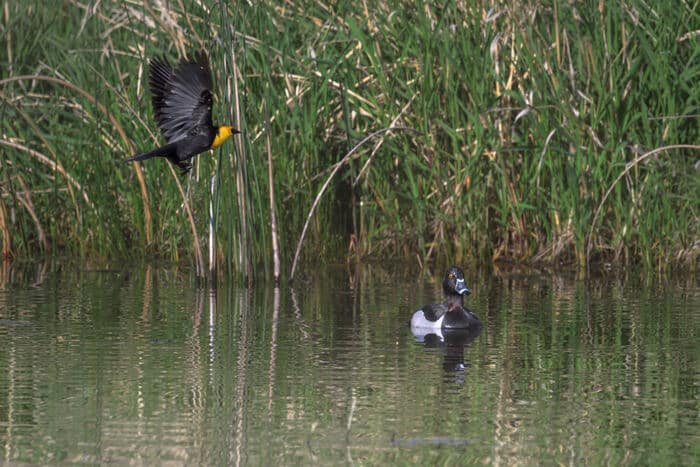
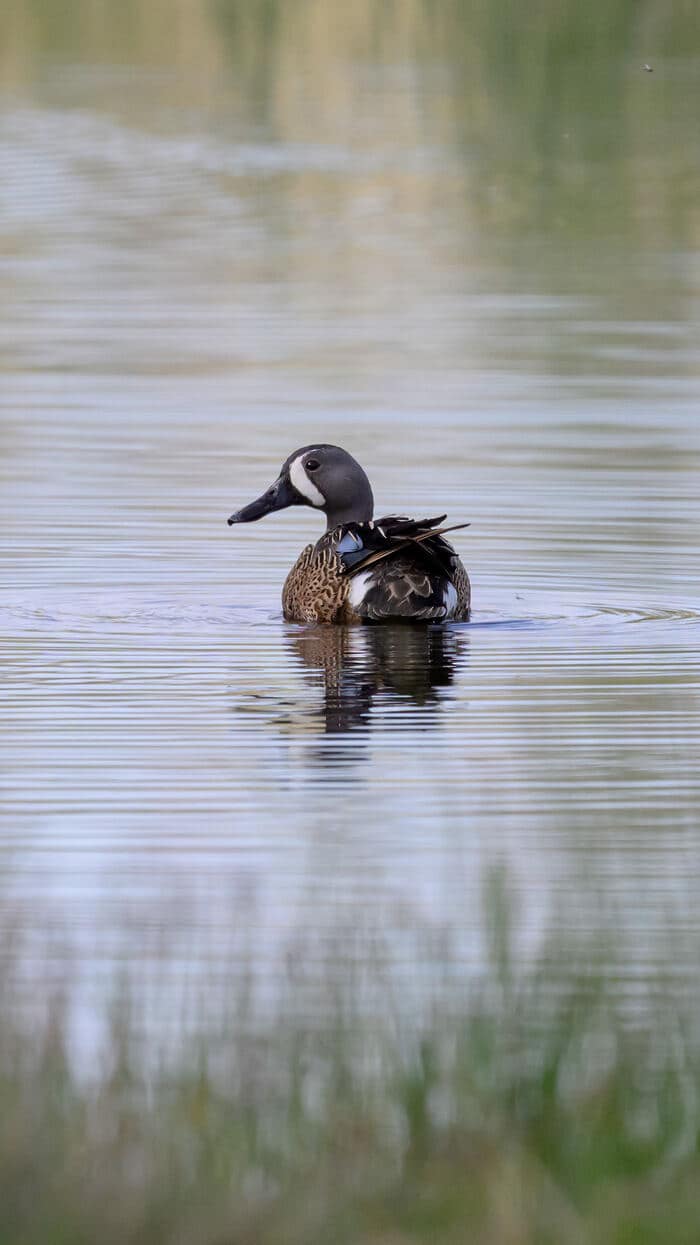
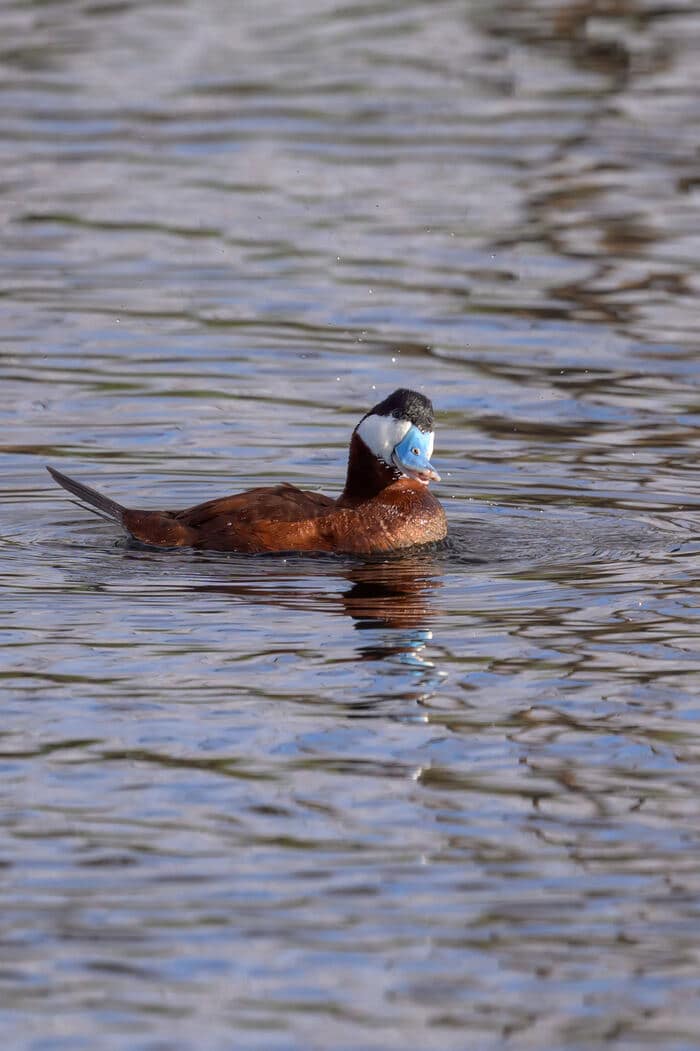
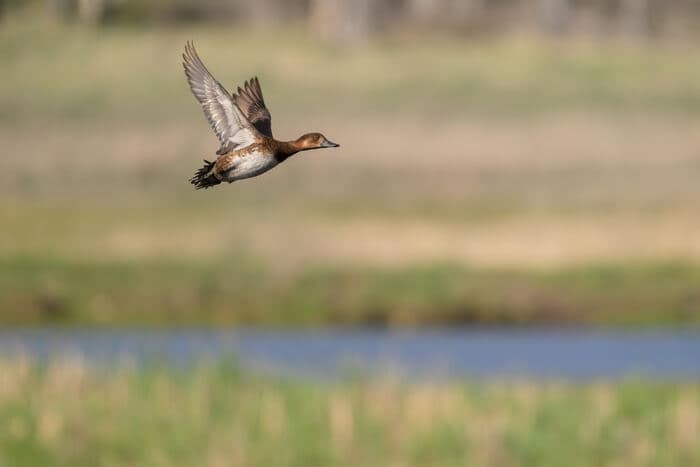
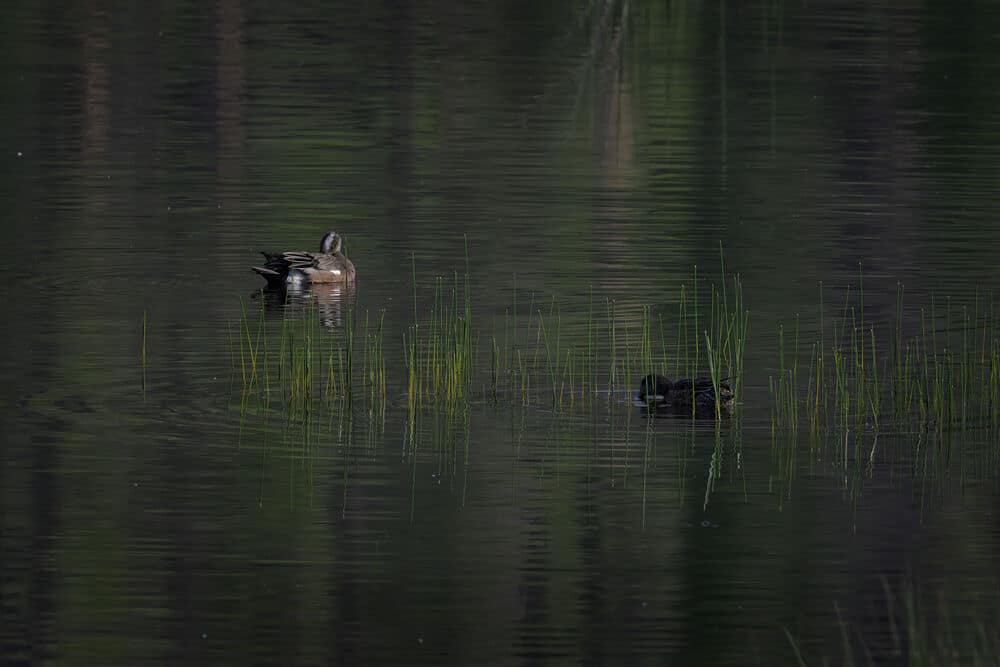
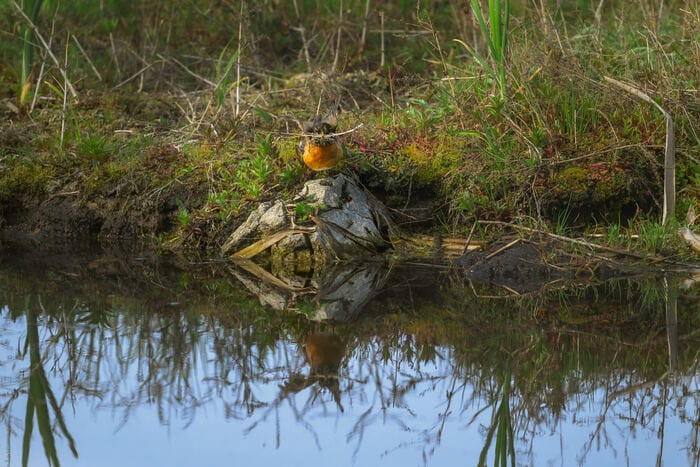
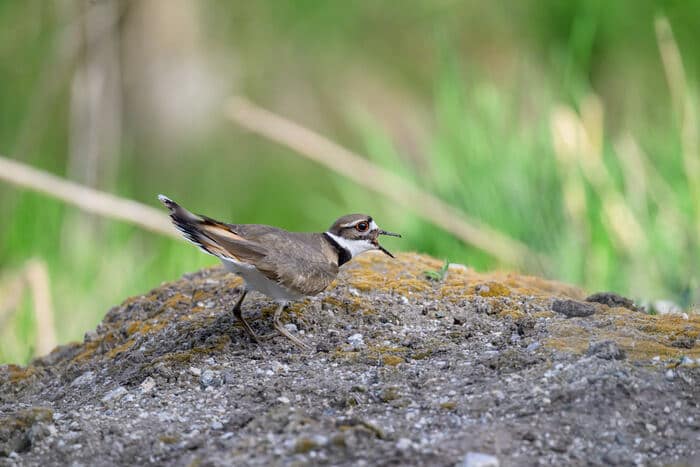
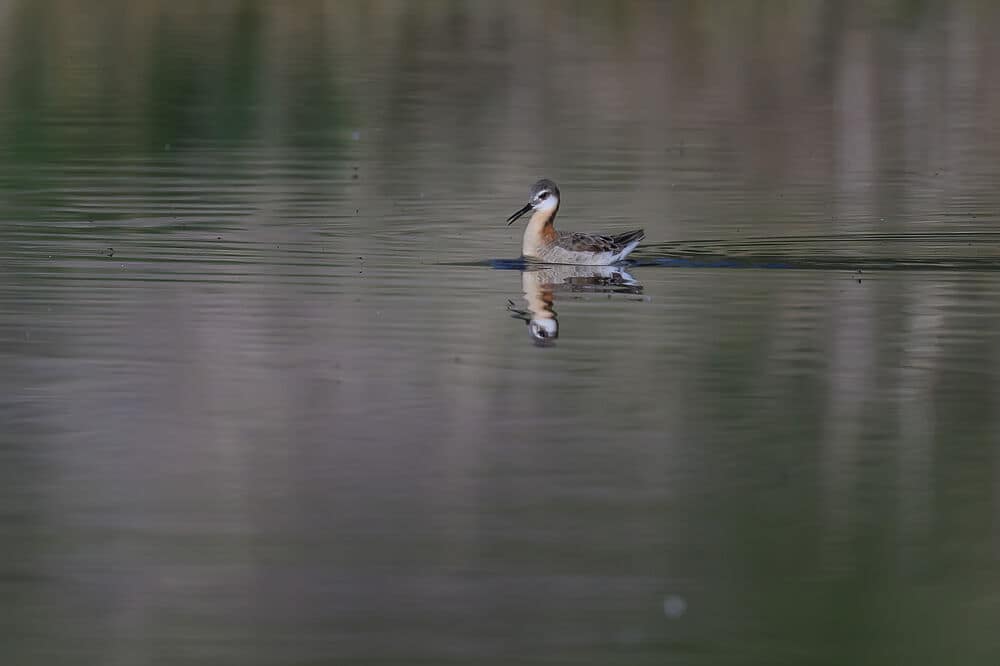
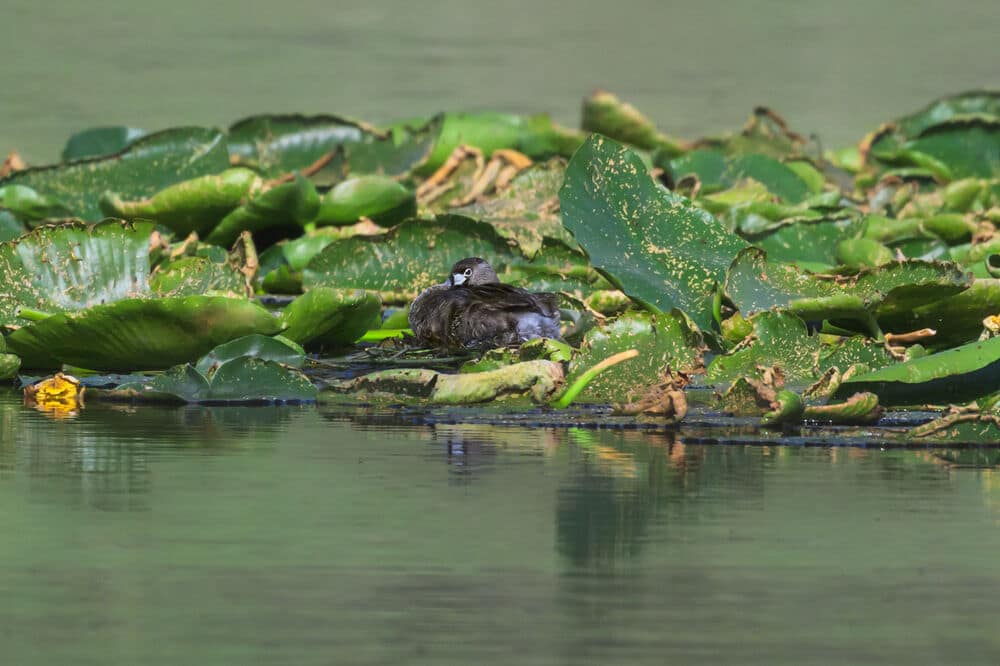
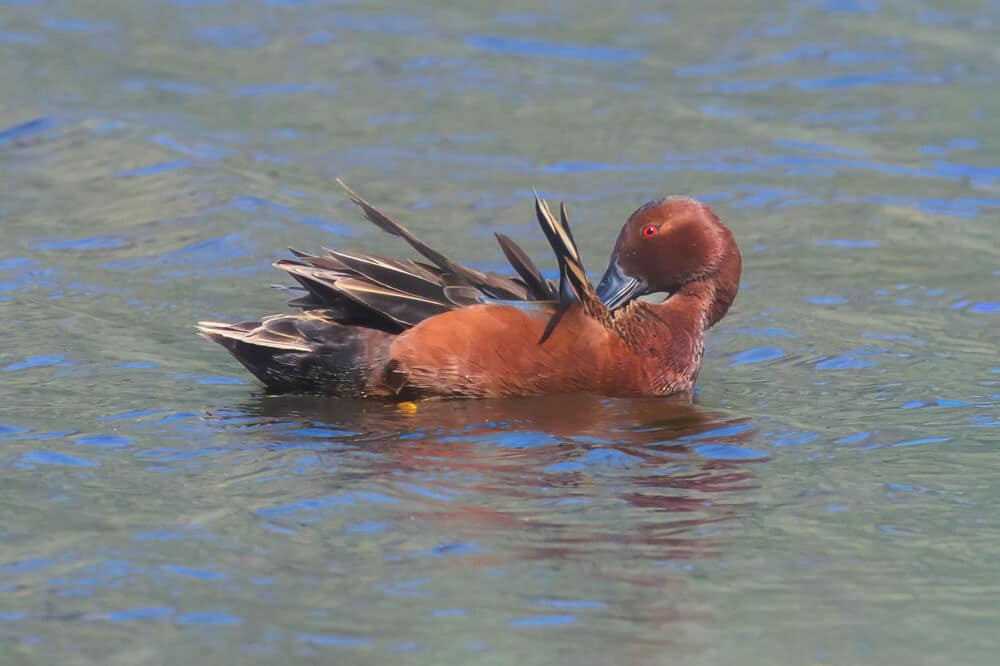
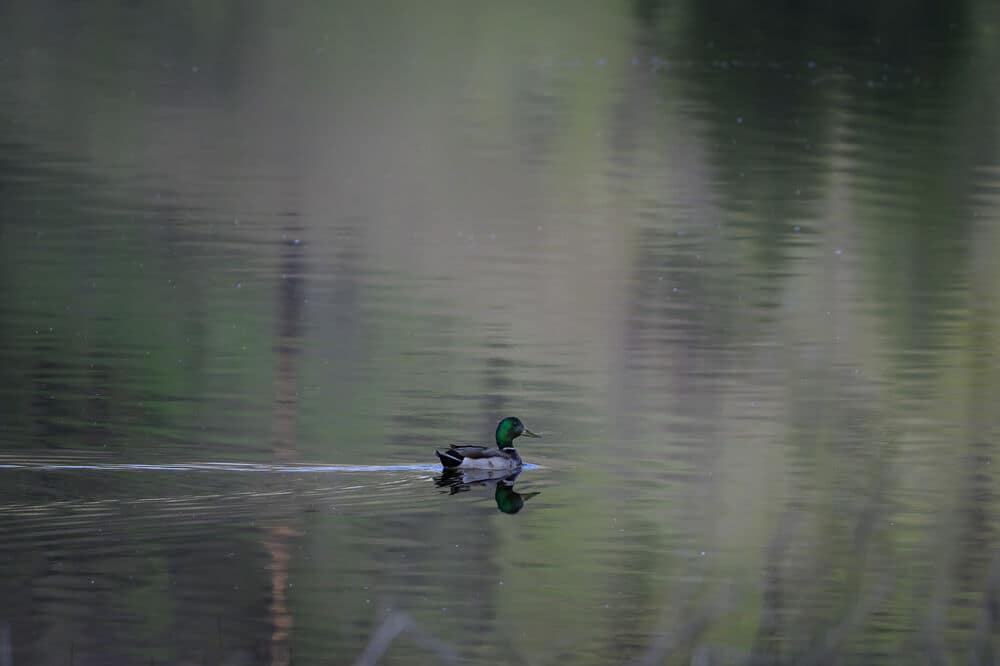
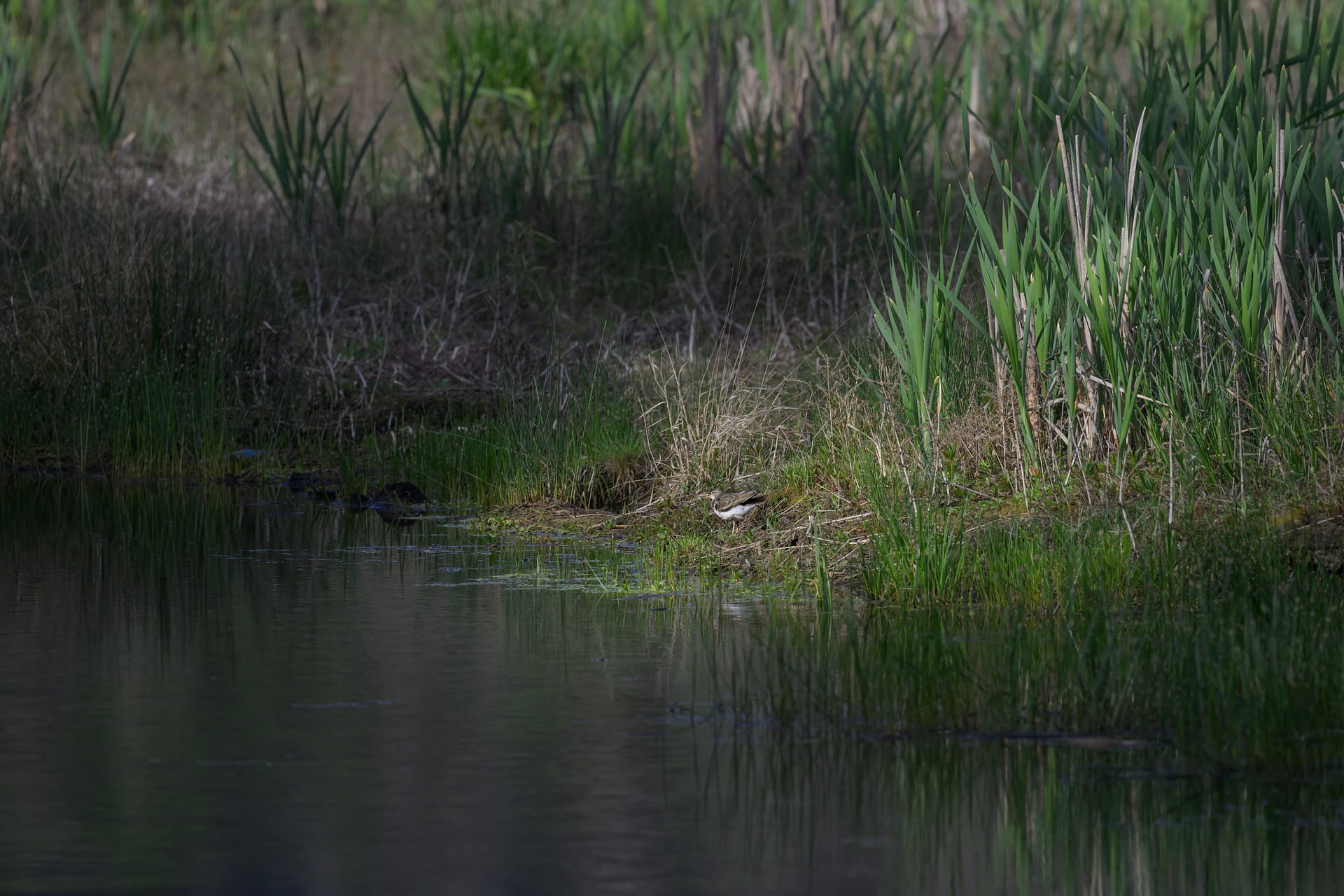
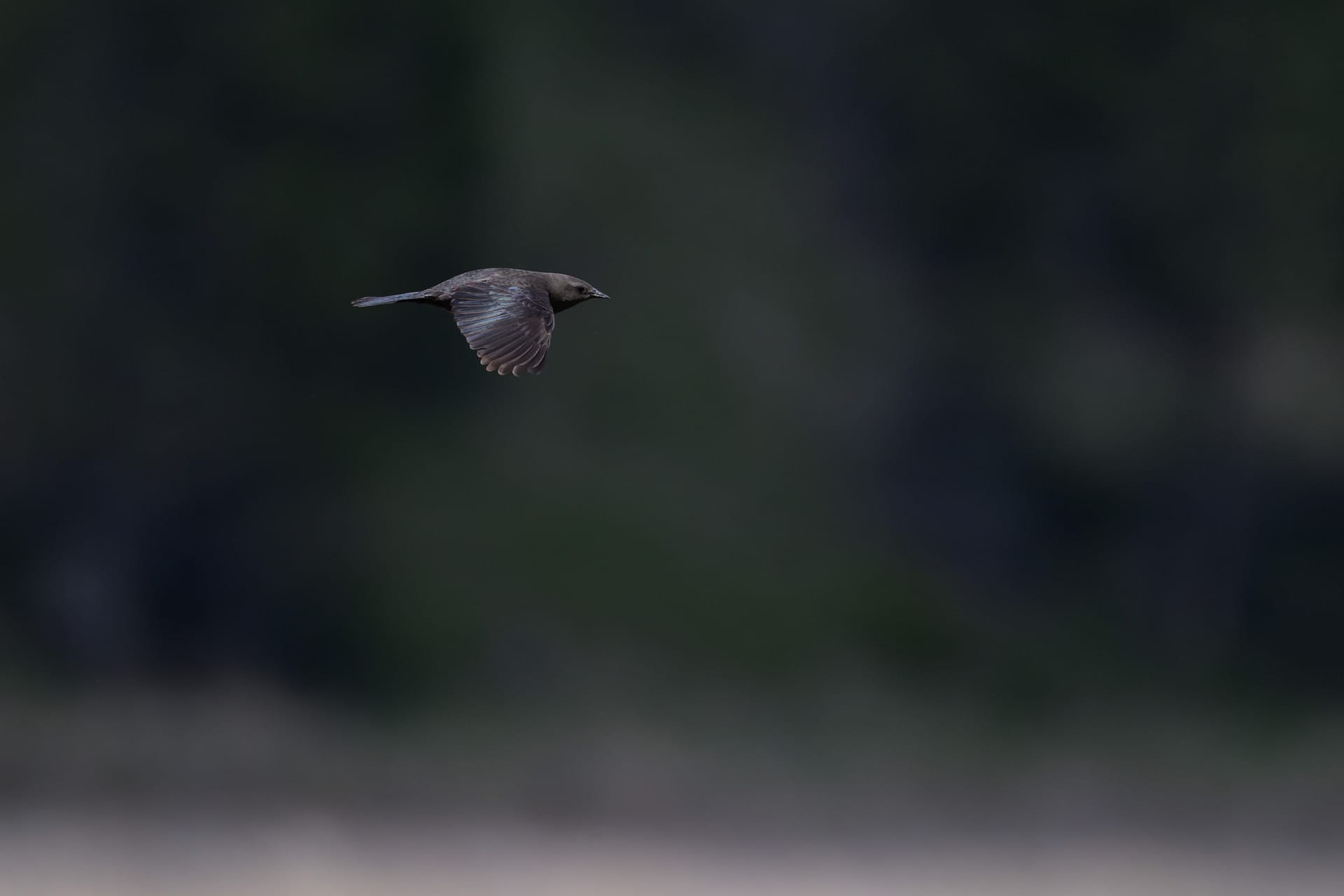
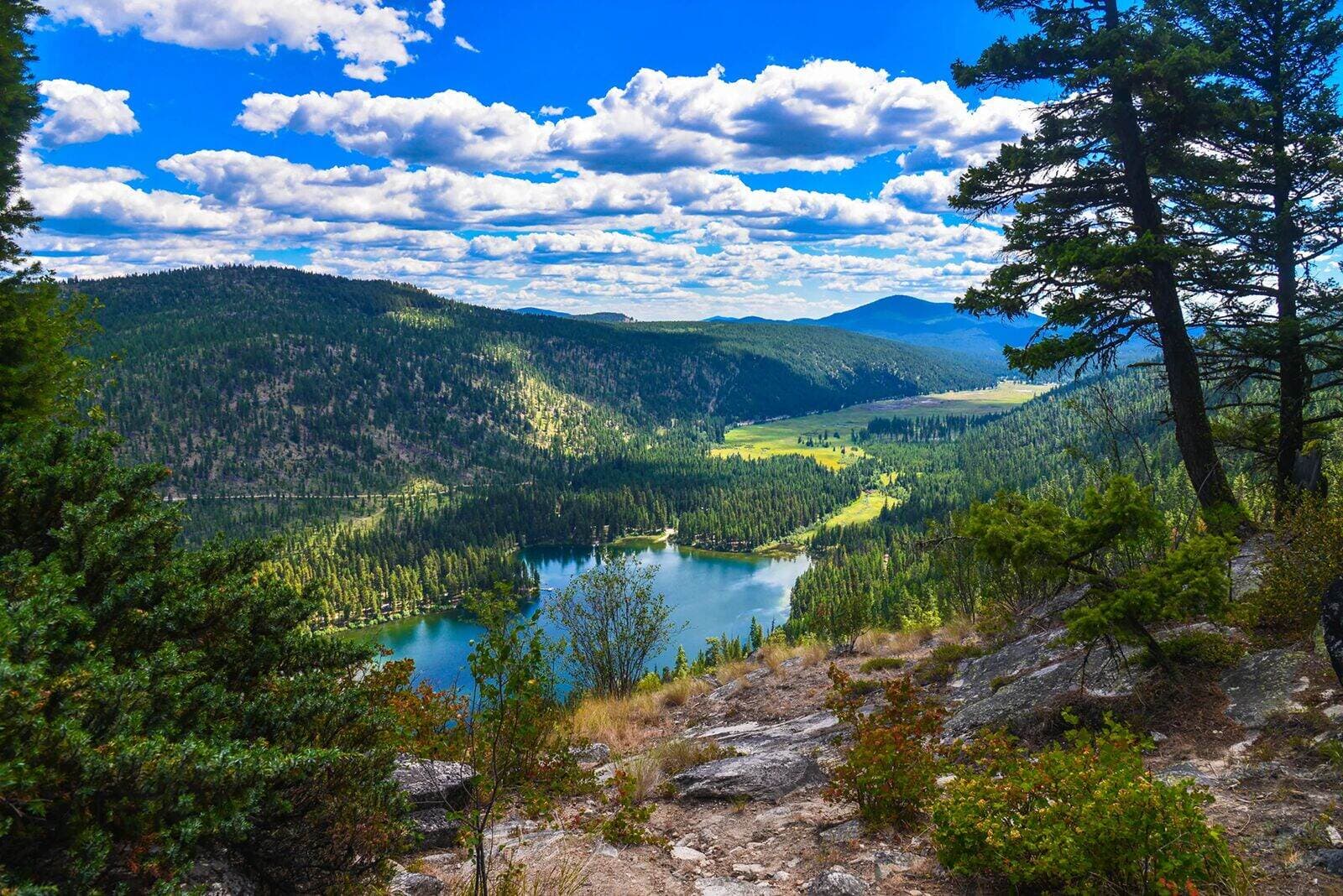
A few views from the Bonaparte Meadows bird inventory, showing the wetland, open water, and meadow habitat that support birds across the property.


What the bird data tells us
As drought and warming temperatures increasingly affect the Columbia Basin, the water stored in Bonaparte Meadows’ deep peat soils plays an important role in long-term watershed and wildfire resilience. The fen also supports rare plants and plant communities adapted to these highly unusual conditions, along with birds, amphibians, mammals, insects, and other wildlife that depend on the wetland and surrounding habitat.
The birds of Bonaparte Meadows help tell that larger story. More than 180 bird species have been recorded across the property, reflecting the range of habitats held within one connected landscape. Open water, saturated sedge, wet meadow, forest edge, dry uplands, and nearby timber all meet here.
Species diversity is one measure of habitat value. Breeding activity tells an even deeper story. With 123 species confirmed nesting or raising young on the property, Bonaparte Meadows is not simply a place birds pass through. For many species, it functions as home.
Among the recorded birds is Sandhill Crane, listed as endangered in Washington, the highest state conservation status represented in the inventory.
Featured species
Birds that help tell the story
A few species from the inventory show how open water, wet meadow, peat fen, and surrounding uplands work together as one habitat system.
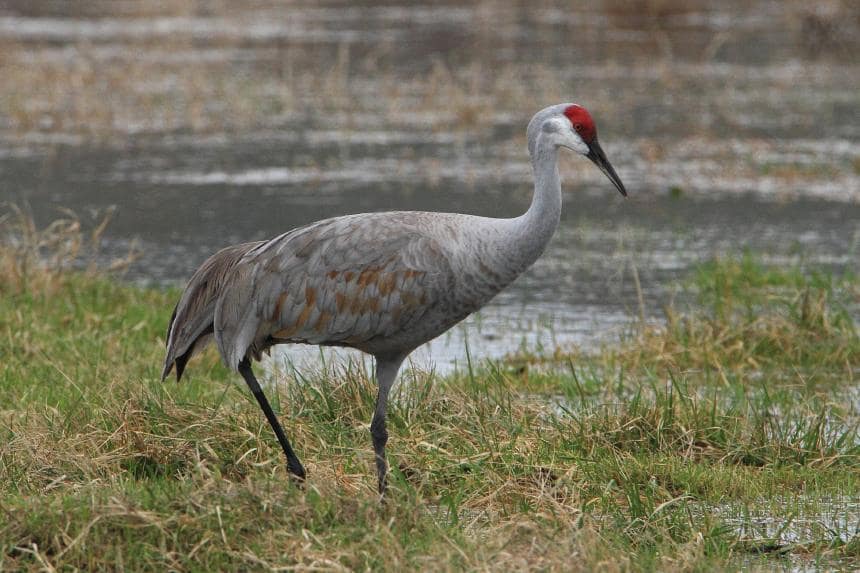
Sandhill crane
A state-endangered species and one of the clearest high-level conservation flags in the bird inventory.
Pied-billed grebe
Nesting activity shows the wetland is not just a stopover. It functions as breeding habitat.
Wilson’s phalarope
A wetland-associated species that reflects the value of shallow water and open meadow conditions.
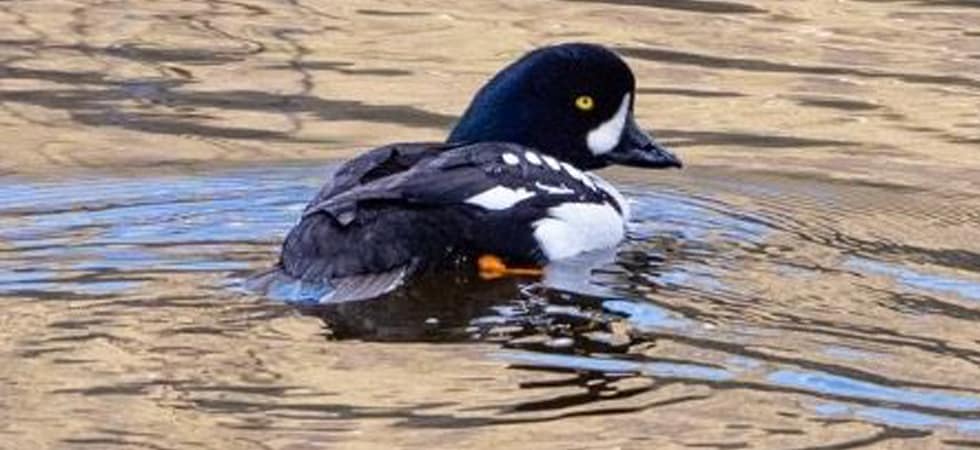
Barrow’s goldeneye
One of several waterfowl species that connect Bonaparte Meadows to broader wetland conservation needs.
Connected habitat
Why one wetland can hold so many birds
The bird inventory reflects more than species count. Bonaparte Meadows brings open water, peat fen, sedge, wet meadow, forest edge, and uplands into one connected landscape. Birds move across these habitats daily, seasonally, and across their life cycles.
Explore State & Conservation Designations
These designations overlap. A species may appear in more than one category, so totals should not be added together.
Washington Species of Greatest Conservation Need — 16 species
- Northern pintail
- Cinnamon teal
- Lesser scaup
- Barrow’s goldeneye
- Sandhill crane
- Long-billed curlew
- Marbled godwit
- Common loon
- American bittern
- Golden eagle
- American goshawk
- Western screech-owl
- Flammulated owl
- Lewis’ woodpecker
- White-headed woodpecker
- Western bluebird
Washington Species of Greatest Information Need — 15 species
- Red-necked grebe
- Rufous hummingbird
- Common nighthawk
- Wilson’s phalarope
- Great gray owl
- Northern saw-whet owl
- Black-backed woodpecker
- Williamson’s sapsucker
- Peregrine falcon
- Bank swallow
- Olive-sided flycatcher
- Pygmy nuthatch
- Townsend’s warbler
- Evening grosbeak
- Pine siskin
WDFW Priority Habitat & Species — 36 species
- Dusky grouse
- Canada goose
- American wigeon
- Gadwall
- Mallard
- Northern pintail
- Wood duck
- Northern shoveler
- Green-winged teal
- Blue-winged teal
- Cinnamon teal
- Redhead
- Ring-necked duck
- Lesser scaup
- Greater scaup
- Common goldeneye
- Barrow’s goldeneye
- Bufflehead
- Ruddy duck
- Common merganser
- Hooded merganser
- Pied-billed grebe
- Red-necked grebe
- Eared grebe
- Vaux’s swift
- Sandhill crane
- Black tern
- Wilson’s phalarope
- Common loon
- Great blue heron
- Black-crowned night-heron
- Golden eagle
- American goshawk
- Flammulated owl
- Black-backed woodpecker
- White-headed woodpecker
Washington State-Status Species — 7 species
| Status | Species |
|---|---|
| Endangered | Sandhill crane |
| Sensitive | Common loon |
| Candidate | Golden eagle |
| Candidate | American goshawk |
| Candidate | Flammulated owl |
| Candidate | Black-backed woodpecker |
| Candidate | White-headed woodpecker |
ISSSSP Species — 9 species
- Bufflehead
- Red-necked grebe
- Sandhill crane
- Long-billed curlew
- Bald eagle
- American goshawk
- Great gray owl
- Lewis’ woodpecker
- White-headed woodpecker
Full Bird Inventory
Explore the complete Bonaparte Meadows bird list, or browse the inventory by taxonomic group for more structure.
Bonaparte Meadows Bird List
- Dusky grouse
- Ruffed grouse
- California quail
- Wild turkey
- Canada goose
- American wigeon
- Gadwall
- Mallard
- Northern pintail
- Wood duck
- Northern shoveler
- Green-winged teal
- Blue-winged teal
- Cinnamon teal
- Redhead
- Ring-necked duck
- Lesser scaup
- Greater scaup
- Common goldeneye
- Barrow’s goldeneye
- Bufflehead
- Ruddy duck
- Common merganser
- Hooded merganser
- Pied-billed grebe
- Red-necked grebe
- Eared grebe
- Mourning dove
- Eurasian collared-dove
- Rufous hummingbird
- Black-chinned hummingbird
- Calliope hummingbird
- Anna’s hummingbird
- Vaux’s swift
- Common poorwill
- Common nighthawk
- American coot
- Sandhill crane
- Sora
- Virginia rail
- Ring-billed gull
- Black tern
- Wilson’s snipe
- Wilson’s phalarope
- Killdeer
- Greater yellowlegs
- Lesser yellowlegs
- Long-billed dowitcher
- Solitary sandpiper
- Spotted sandpiper
- Least sandpiper
- Long-billed curlew
- Marbled godwit
- Hudsonian whimbrel
- Common loon
- Great blue heron
- Black-crowned night-heron
- American bittern
- Golden eagle
- Bald eagle
- Northern harrier
- Osprey
- Red-tailed hawk
- Swainson’s hawk
- Rough-legged hawk
- Sharp-tailed hawk
- Cooper’s hawk
- American goshawk
- Turkey Vulture
- Great horned owl
- Great gray owl
- Barred owl
- Northern pygmy owl
- Northern saw-whet owl
- Western screech-owl
- Flammulated owl
- Long-eared owl
- Belted kingfisher
- Pileated woodpecker
- Northern flicker
- Lewis’ woodpecker
- American three-toed woodpecker
- Black-backed woodpecker
- White-headed woodpecker
- Hairy woodpecker
- Downy woodpecker
- Williamson’s sapsucker
- Red-naped sapsucker
- American kestrel
- Merlin
- Peregrine falcon
- Northern rough-winged swallow
- Tree swallow
- Violet-green swallow
- Barn swallow
- Bank swallow
- Cliff swallow
- Western kingbird
- Eastern kingbird
- Say’s phoebe
- Olive-sided flycatcher
- Western wood-pewee
- Western flycatcher
- Hammond’s flycatcher
- Dusky flycatcher
- Willow flycatcher
- Western warbling vireo
- Cassin’s vireo
- Red-eyed vireo
- Northern Shrike
- Mountain bluebird
- Western bluebird
- Townsend’s solitaire
- Swainson’s thrush
- Hermit thrush
- Veery
- Varied thrush
- American robin
- American pipit
- Horned lark
- Bohemian waxwing
- Cedar waxwing
- American crow
- Common raven
- Canada Jay
- Steller’s jay
- Black-billed magpie
- Clark’s nutcracker
- Brown creeper
- White-breasted nuthatch
- Red-breasted nuthatch
- Pygmy nuthatch
- Mountain chickadee
- Black-capped Chickadee
- Gray catbird
- Northern house wren
- Marsh wren
- Pacific wren
- Ruby-crowned kinglet
- Golden-crowned kinglet
- Northern yellow warbler
- Wilson’s warbler
- Orange-crowned warbler
- Nashville warbler
- MacGillivray’s warbler
- Yellow-rumped warbler
- Common yellowthroat
- Townsend’s warbler
- American redstart
- Yellow-breasted chat
- Chipping sparrow
- Clay-colored Sparrow
- American Tree Sparrow
- White-crowned sparrow
- Savannah sparrow
- Vesper sparrow
- Lark sparrow
- Lincoln’s sparrow
- Song sparrow
- Dark-eyed Junco
- Spotted towhee
- Snow bunting
- Western tanager
- Black-headed grosbeak
- Lazuli bunting
- Painted bunting
- Western meadowlark
- Bullock’s oriole
- Brown-headed cowbird
- Brewer’s blackbird
- Red-winged blackbird
- Yellow-headed blackbird
- Pine grosbeak
- Evening grosbeak
- Cassin’s finch
- Pine siskin
- American goldfinch
- Redpoll
- Red crossbill
- White-winged crossbill
- European starling
Browse by taxonomic group
Galliformes Landfowl
- Dusky grouse
- Ruffed grouse
- California quail
- Wild turkey
Anseriformes Waterfowl
- Canada goose
- American wigeon
- Gadwall
- Mallard
- Northern pintail
- Wood duck
- Northern shoveler
- Green-winged teal
- Blue-winged teal
- Cinnamon teal
- Redhead
- Ring-necked duck
- Lesser scaup
- Greater scaup
- Common goldeneye
- Barrow’s goldeneye
- Bufflehead
- Ruddy duck
- Common merganser
- Hooded merganser
Podicipediformes Grebes
- Pied-billed grebe
- Red-necked grebe
- Eared grebe
Columbiformes Doves
- Mourning dove
- Eurasian collared-dove
Apodiformes Swifts & Hummingbirds
- Rufous hummingbird
- Black-chinned hummingbird
- Calliope hummingbird
- Anna’s hummingbird
- Vaux’s swift
Caprimulgiformes
- Common poorwill
- Common nighthawk
Gruiformes Cranes & Allies
- American coot
- Sandhill crane
- Sora
- Virginia rail
Charadriiformes Gulls, Shorebirds & Auks
- Ring-billed gull
- Black tern
- Wilson’s snipe
- Wilson’s phalarope
- Killdeer
- Greater yellowlegs
- Lesser yellowlegs
- Long-billed dowitcher
- Solitary sandpiper
- Spotted sandpiper
- Least sandpiper
- Long-billed curlew
- Marbled godwit
- Hudsonian whimbrel
Gaviiformes Loons
- Common loon
Pelicaniformes Herons, Ibises & Pelicans
- Great blue heron
- Black-crowned night-heron
- American bittern
Accipitriformes Hawks, Eagles & Kites
- Golden eagle
- Bald eagle
- Northern harrier
- Osprey
- Red-tailed hawk
- Swainson’s hawk
- Rough-legged hawk
- Sharp-tailed hawk
- Cooper’s hawk
- American goshawk
Cathartiformes New World Vultures
- Turkey Vulture
Strigiformes Owls
- Great horned owl
- Great gray owl
- Barred owl
- Northern pygmy owl
- Northern saw-whet owl
- Western screech-owl
- Flammulated owl
- Long-eared owl
Coraciiformes
- Belted kingfisher
Piciformes Woodpeckers
- Pileated woodpecker
- Northern flicker
- Lewis’ woodpecker
- American three-toed woodpecker
- Black-backed woodpecker
- White-headed woodpecker
- Hairy woodpecker
- Downy woodpecker
- Williamson’s sapsucker
- Red-naped sapsucker
Falconiformes Falcons
- American kestrel
- Merlin
- Peregrine falcon
Passeriformes Songbirds
- Northern rough-winged swallow
- Tree swallow
- Violet-green swallow
- Barn swallow
- Bank swallow
- Cliff swallow
- Western kingbird
- Eastern kingbird
- Say’s phoebe
- Olive-sided flycatcher
- Western wood-pewee
- Western flycatcher
- Hammond’s flycatcher
- Dusky flycatcher
- Willow flycatcher
- Western warbling vireo
- Cassin’s vireo
- Red-eyed vireo
- Northern Shrike
- Mountain bluebird
- Western bluebird
- Townsend’s solitaire
- Swainson’s thrush
- Hermit thrush
- Veery
- Varied thrush
- American robin
- American pipit
- Horned lark
- Bohemian waxwing
- Cedar waxwing
- American crow
- Common raven
- Canada Jay
- Steller’s jay
- Black-billed magpie
- Clark’s nutcracker
- Brown creeper
- White-breasted nuthatch
- Red-breasted nuthatch
- Pygmy nuthatch
- Mountain chickadee
- Black-capped Chickadee
- Gray catbird
- Northern house wren
- Marsh wren
- Pacific wren
- Ruby-crowned kinglet
- Golden-crowned kinglet
- Northern yellow warbler
- Wilson’s warbler
- Orange-crowned warbler
- Nashville warbler
- MacGillivray’s warbler
- Yellow-rumped warbler
- Common yellowthroat
- Townsend’s warbler
- American redstart
- Yellow-breasted chat
- Chipping sparrow
- Clay-colored Sparrow
- American Tree Sparrow
- White-crowned sparrow
- Savannah sparrow
- Vesper sparrow
- Lark sparrow
- Lincoln’s sparrow
- Song sparrow
- Dark-eyed Junco
- Spotted towhee
- Snow bunting
- Western tanager
- Black-headed grosbeak
- Lazuli bunting
- Painted bunting
- Western meadowlark
- Bullock’s oriole
- Brown-headed cowbird
- Brewer’s blackbird
- Red-winged blackbird
- Yellow-headed blackbird
- Pine grosbeak
- Evening grosbeak
- Cassin’s finch
- Pine siskin
- American goldfinch
- Redpoll
- Red crossbill
- White-winged crossbill
- European starling